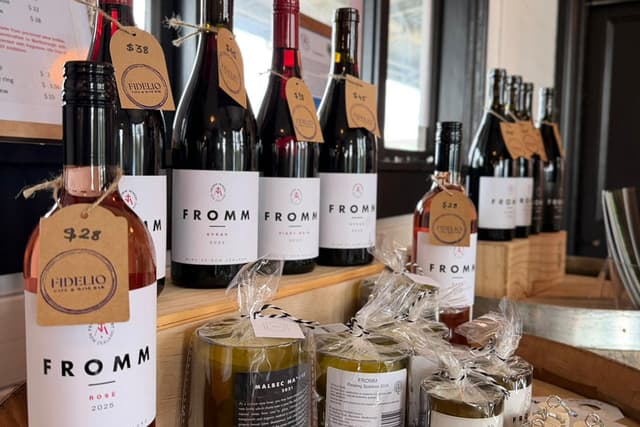
Blenheim, nestled in the heart of New”?Zealand’s Marlborough region, is celebrated for its vibrant wine culture and breathtaking vineyard landscapes. Among the many ways to experience this terroir, wine-tasting flights stand out as an immersive, educational, and enjoyable activity for both novices and seasoned enthusiasts. A tasting flight allows visitors to sample a curated selection of wines side-by-side, offering insight into the nuances of varietals, winemaking techniques, and the influence of the region’s climate and soil. This article outlines the essential considerations for planning a wine-tasting flight in Blenheim, highlights the sensory experience, and provides practical tips to maximize enjoyment while respecting responsible consumption.
Understanding Wine Tasting Flights
A wine-tasting flight typically consists of three to six small pours, each representing a distinct style or grape variety. The purpose is to compare and contrast flavors, aromas, and textures within a single session. In Blenheim, flights often showcase the region’s hallmark Sauvignon Blanc alongside emerging varieties such as Pinot Noir, Chardonnay, and aromatic whites.
Key Elements of a Flight
- Varietal diversity: Selecting wines that differ in grape type, age, or winemaking approach encourages a broader sensory palate.
- Order of tasting: Begin with lighter, more acidic wines and progress to fuller-bodied, richer selections to avoid palate fatigue.
- Glassware: Properly sized tasting glasses enhance aroma concentration and allow for accurate assessment.
- Palate cleansers: Neutral foods such as plain crackers or fresh water help reset the taste buds between pours.
Planning Your Flight in Blenheim
Effective planning ensures a seamless experience that balances exploration with comfort. Consider the following steps when arranging a tasting flight in the region.
Research and Selection
Begin by reviewing available flight options on reputable wine-tourism sites. Detailed descriptions of each wine’s profile, vineyard location, and winemaking philosophy can guide choices. For comprehensive background information, Read more about this topic.
Scheduling and Logistics
- Choose a time of day when the vineyards are most active; mid-morning or early afternoon often provides optimal lighting for visual assessment.
- Allocate at least two hours for the full flight, allowing time for discussion, note-taking, and a short stroll through the property.
- Arrange transportation in advance, especially if multiple wineries will be visited. Designated drivers or local shuttle services are recommended.
Preparing the Senses
Prior to the flight, hydrate well and avoid strong-smelling foods that could interfere with aroma detection. Dress comfortably for outdoor settings, and bring a notebook or digital device for recording observations.
What to Expect During the Flight
The tasting experience is structured yet flexible, encouraging both guided insight and personal discovery.
Guided Presentation
Most venues provide a brief introduction to each wine, covering vineyard history, grape origin, and winemaking techniques. This context enriches the sensory evaluation and helps connect flavors to their source.
Sensory Evaluation Steps
- Visual assessment: Observe color intensity and clarity. Lighter hues often indicate youth, while deeper tones suggest age or oak influence.
- Swirl and sniff: Release volatile compounds by gently swirling the glass, then inhale deeply to identify primary aromas such as citrus, tropical fruit, herbaceous notes, or mineral undertones.
- Taste: Take a modest sip, allowing the wine to coat the palate. Note acidity, sweetness, tannin structure, and finish length.
- Reflect: Compare each wine to the previous one, noting similarities and differences.
Documentation
Recording observations aids memory and deepens appreciation. Use a simple template with sections for appearance, aroma, palate, and overall impression. For additional guidance on effective note-taking, Learn more in this detailed guide.
Enhancing the Experience
Beyond the wines themselves, several complementary activities can elevate a tasting flight in Blenheim.
Food Pairings
- Local cheeses: Soft, buttery varieties complement the acidity of Sauvignon Blanc.
- Seafood: Fresh oysters or smoked fish enhance mineral notes.
- Seasonal produce: Roasted root vegetables or herb-infused salads pair well with fuller-bodied whites.
Vineyard Exploration
Take advantage of the surrounding landscape by walking the rows, observing vine training systems, and noting soil composition. These visual cues often explain the subtle differences detected during tasting. For a broader perspective on the region’s viticultural practices, Explore further insights here.
Educational Workshops
Many venues offer short workshops on topics such as aroma identification, barrel aging, or sustainable farming. Participating in a session can deepen technical knowledge and provide a richer context for future flights.
Responsible Consumption and Safety
While wine tasting is a leisurely pursuit, responsible consumption remains paramount.
- Limit intake to the recommended tasting pours (typically 30-50″?ml per wine).
- Stay hydrated with water between tastings.
- Never drive after consuming alcohol; arrange alternative transportation.
- Respect vineyard policies regarding photography, smoking, and waste disposal.
Conclusion
Embarking on a wine-tasting flight in Blenheim offers a unique window into one of New”?Zealand’s most celebrated wine regions. By thoughtfully selecting flights, preparing the senses, and engaging with both the wines and their environment, visitors can cultivate a deeper appreciation for the craftsmanship behind each bottle. Whether the goal is educational enrichment, sensory pleasure, or simply a memorable day among the vines, a well-planned tasting flight delivers a balanced blend of insight and enjoyment. For further resources on planning and maximizing your wine-tour experience, Find additional information here.
About the Author