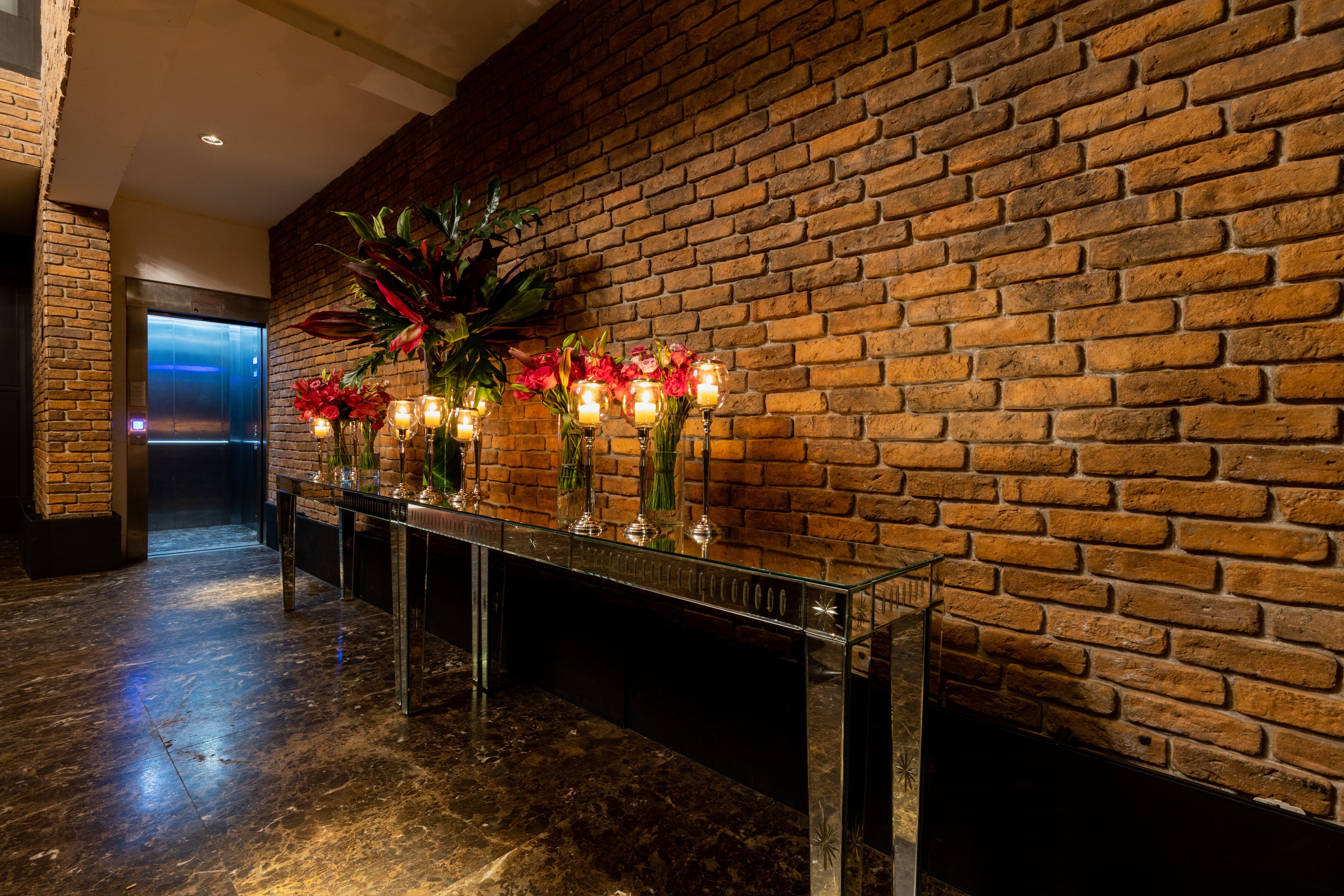
Creating a workspace that inspires productivity and reflects a company’s culture goes beyond selecting the right furniture. The visual atmosphere of an office can influence employee morale, client perception, and overall brand identity. Professional styling services bring expertise in color theory, spatial planning, and design trends to transform ordinary office spaces into cohesive, functional environments. By integrating thoughtful decor, strategic lighting, and curated accessories, organizations can elevate their work environment without the need for costly renovations.
Understanding the Value of Professional Styling
Professional styling bridges the gap between aesthetics and functionality. Stylists assess a space’s purpose, traffic flow, and brand personality to create a design that supports daily operations while enhancing visual appeal.
- Optimized Layouts: Space planning that maximizes usable area and promotes collaboration.
- Consistent Branding: Color palettes and materials that echo corporate identity.
- Employee Well-Being: Ergonomic considerations and calming elements that reduce stress.
- Client Impressions: A polished environment that conveys professionalism.
For a deeper dive into how design influences workplace performance, Read more about this topic.
Key Elements of Effective Office Styling
Color Schemes and Materials
Choosing the right colors can affect mood and focus. Neutral tones create a calm backdrop, while accent colors stimulate creativity. Materials such as wood, metal, and glass add texture and depth.
- Use a dominant neutral base (e.g., soft gray or warm beige).
- Introduce accent walls or accessories in brand colors.
- Combine natural wood with sleek metal for a balanced look.
To explore material pairings that work well in modern offices, Learn more in this detailed guide.
Lighting Solutions
Lighting is a critical component of office design. It influences energy levels, eye strain, and the overall ambiance.
- Ambient Lighting: Overhead fixtures that provide even illumination.
- Task Lighting: Desk lamps or adjustable fixtures for focused work.
- Accent Lighting: Spotlights or LED strips highlighting artwork or branding elements.
Effective lighting strategies are outlined in many design resources; Explore further insights here.
Furniture Selection
Furniture should support both individual tasks and collaborative work. Ergonomic chairs, height-adjustable desks, and modular seating promote comfort and flexibility.
- Invest in chairs with lumbar support and breathable fabrics.
- Consider sit-stand desks for health-focused workplaces.
- Use modular sofas or benches to create informal meeting zones.
Guidelines for choosing ergonomic office furniture can be found at Find additional information here.
Incorporating Decorative Elements
Artwork and Wall Treatments
Artwork adds personality and can reinforce brand values. Large-scale prints, abstract pieces, or locally sourced art create visual interest without overwhelming the space.
- Select pieces that complement the chosen color palette.
- Rotate artwork periodically to keep the environment fresh.
- Use wall murals or graphic panels to define zones.
Plants and Biophilic Design
Integrating greenery improves air quality and contributes to employee well-being. Even low-maintenance plants can make a significant impact.
- Place taller plants in reception areas for a welcoming feel.
- Use desk-size succulents for individual workstations.
- Consider a living wall as a focal point in communal spaces.
For ideas on how plants can be incorporated into office design, Read more about this topic.
Step-by-Step Process for a Styling Project
- Consultation: Discuss goals, budget, and brand guidelines with the styling professional.
- Space Analysis: Measure dimensions, assess lighting, and identify high-traffic zones.
- Concept Development: Create mood boards and layout plans that align with objectives.
- Selection & Procurement: Choose furniture, finishes, and decorative items.
- Installation: Coordinate delivery, assembly, and placement of all elements.
- Final Review: Walk through the space, make adjustments, and ensure client satisfaction.
Each phase benefits from clear communication and a shared vision. Detailed project workflows are discussed in many professional guides; Learn more in this detailed guide.
Measuring Success After Styling
After the transformation, it’s important to evaluate the impact on both employees and visitors. Metrics can include employee satisfaction surveys, productivity data, and client feedback.
- Track changes in employee engagement scores.
- Monitor usage patterns of collaborative zones.
- Collect anecdotal feedback on ambiance and comfort.
Understanding these outcomes helps refine future design decisions. For additional perspectives on post-implementation evaluation, Explore further insights here.
Conclusion
Professional styling services offer a strategic approach to office decor, blending aesthetics with functionality to create environments that support business goals. By focusing on color, lighting, furniture, and decorative accents, while integrating biophilic elements, organizations can cultivate spaces that boost morale, impress clients, and reflect a cohesive brand identity. The structured process, from consultation to evaluation, ensures that the investment yields measurable benefits and a lasting positive impression.
About the Author