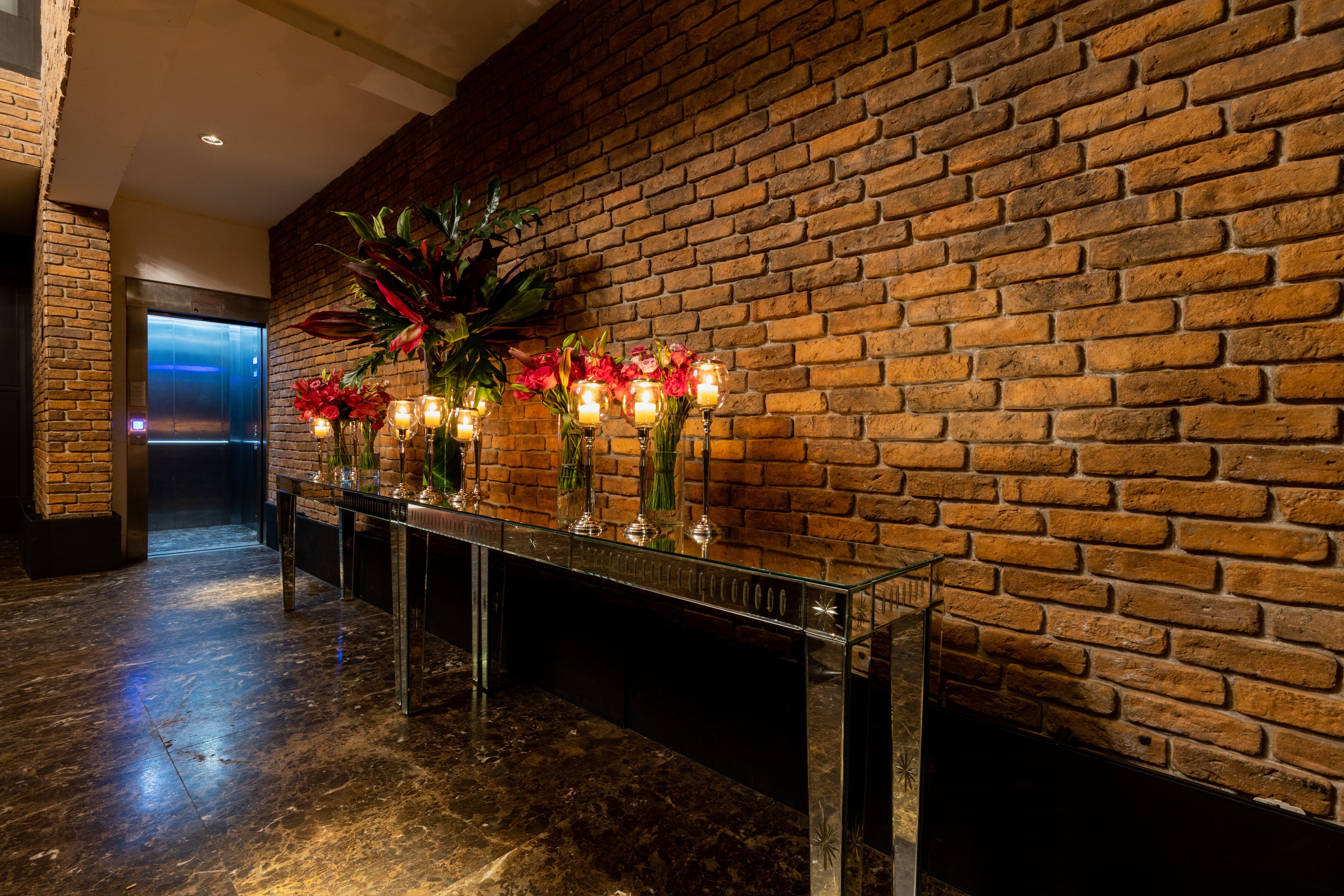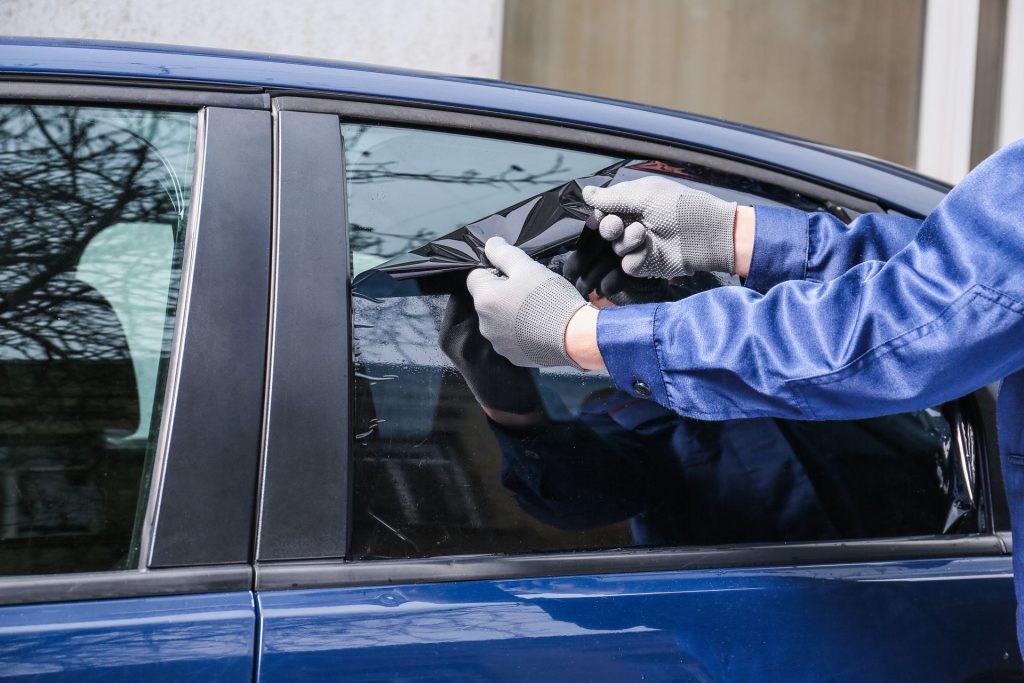
Investing in commercial or residential spaces involves significant capital, and protecting those assets from wear, impact, and environmental damage is essential for long-term value retention. Surface protection services, ranging from floor coatings to wall sealants, provide a durable barrier that minimizes maintenance costs, extends the life of high-traffic areas, and preserves aesthetic appeal. By selecting a knowledgeable provider, property owners can ensure that every square foot receives the appropriate treatment, reducing downtime and enhancing safety for occupants.
Why Surface Protection Matters
Every surface endures a unique set of stresses, whether it’s foot traffic in a retail lobby, heavy equipment in an industrial warehouse, or moisture exposure in a hospitality setting. The consequences of neglect include:
- Accelerated wear and tear leading to costly repairs.
- Increased slip-and-fall incidents, raising liability concerns.
- Degradation of appearance, which can affect brand perception.
- Reduced resale value due to visible damage.
Understanding these risks underscores the importance of proactive protection. For a deeper dive into strategic maintenance, Discover expert strategies here.
Key Types of Surface Protection
Floor Coatings
Floor coatings create a seamless, resilient layer that shields concrete, wood, or tile from abrasions, chemicals, and moisture. Popular options include epoxy, polyurethane, and polyaspartic systems. Each offers distinct benefits:
- Epoxy: High compressive strength, ideal for warehouses and manufacturing floors.
- Polyurethane: Flexible finish with superior UV resistance, suited for retail and office environments.
- Polyaspartic: Fast-curing, low-odor solution for projects with tight timelines.
Choosing the right system depends on traffic intensity, chemical exposure, and aesthetic goals. Learn about our tailored solutions.
Wall and Countertop Sealants
Walls and countertops are vulnerable to stains, moisture infiltration, and impact damage. High-performance sealants act as a barrier while maintaining the original material’s look.
- Silane-based sealants for porous stone and masonry.
- Acrylic sealants for painted surfaces that require easy re-coating.
- Polyurethane sealants for high-gloss finishes on countertops.
Proper application ensures longevity and simplifies cleaning routines. Explore advanced guides and tips.
Assessing Your Protection Needs
A systematic assessment helps match the right protection method to each area. Consider the following steps:
- Traffic Analysis: Quantify foot or vehicle flow to gauge wear potential.
- Environmental Factors: Identify exposure to chemicals, moisture, UV light, or temperature fluctuations.
- Material Compatibility: Verify that the chosen coating adheres properly to the substrate.
- Regulatory Requirements: Ensure compliance with safety and building codes.
By following a structured evaluation, decision-makers can prioritize high-risk zones and allocate resources efficiently. Find out more about this approach.
Implementation Best Practices
Successful surface protection hinges on meticulous preparation and execution. The following practices are widely recognized as industry standards:
- Surface Preparation: Thorough cleaning, degreasing, and, when necessary, shot blasting to achieve optimal adhesion.
- Temperature Control: Applying coatings within the recommended temperature range to prevent curing issues.
- Layer Management: Applying primers, base coats, and top coats in the correct sequence and thickness.
- Quality Assurance: Conducting adhesion tests and thickness measurements before final acceptance.
Adhering to these protocols reduces the likelihood of premature failure and maximizes return on investment.
Maintenance Strategies to Extend Life
Even the most robust protective systems require periodic upkeep. A proactive maintenance plan includes:
- Regular cleaning with pH-balanced solutions to avoid abrasive damage.
- Prompt repair of chips or scratches to prevent moisture ingress.
- Scheduled re-coating cycles based on traffic intensity and manufacturer recommendations.
- Documentation of inspections to track wear trends over time.
Integrating these steps into facility management routines sustains performance and defers costly overhauls. For ongoing guidance, Explore advanced guides and tips.
Choosing a Qualified Provider
Selecting a partner with proven expertise ensures that the chosen protection system is applied correctly and maintained properly. Key criteria include:
- Certification and training of technicians.
- Portfolio of completed projects across similar industries.
- Transparent material sourcing and safety data sheets.
- Commitment to post-installation support and warranty coverage.
Evaluating providers against these benchmarks helps safeguard the investment and guarantees long-term performance. Discover expert strategies here.
Conclusion
Surface protection is a strategic investment that safeguards both the physical integrity and financial value of a property. By understanding the variety of protective solutions, conducting thorough assessments, and partnering with a skilled provider, owners can dramatically reduce maintenance expenses, improve safety, and maintain a polished appearance for years to come. Embracing these best practices turns surface protection from a reactive fix into a proactive asset management tool.
About the Author