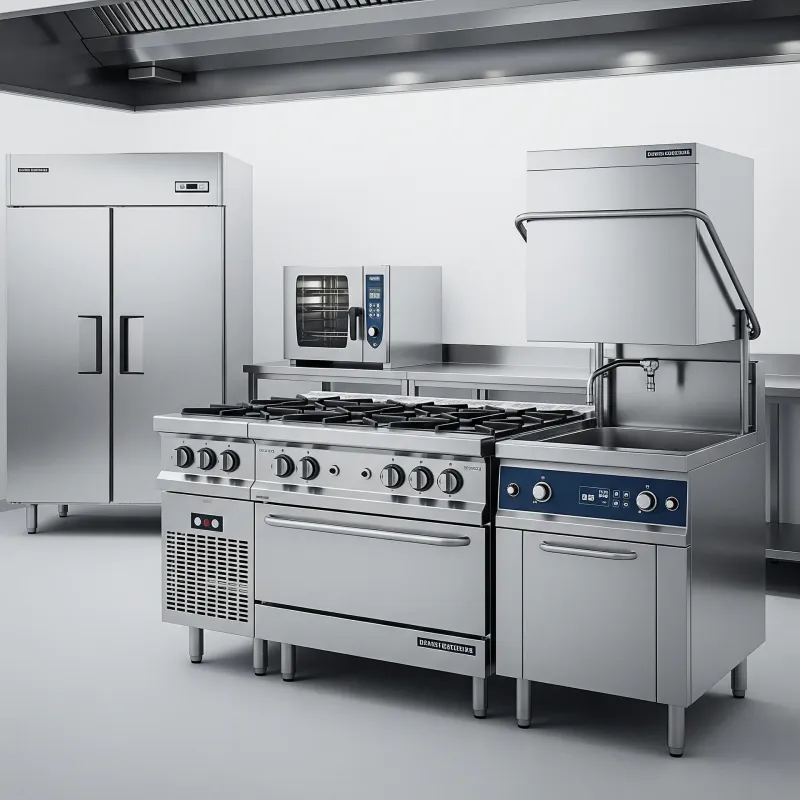
In the fast-paced world of the culinary industry, having the right kitchen equipment is crucial for any commercial establishment. Whether you’re running a bustling restaurant, a cozy caf??, or a high-volume catering service, the efficiency and quality of your kitchen operations heavily rely on the equipment you choose. Upgrading your commercial kitchen equipment can lead to significant improvements in productivity, food quality, and energy efficiency. This article explores key considerations and benefits of upgrading your kitchen infrastructure to ensure it supports your business goals effectively.
Recognizing the Need for an Upgrade
Determining when to upgrade your kitchen equipment can be challenging. However, several signs indicate it’s time for a change:
- Frequent breakdowns and repairs, leading to increased maintenance costs.
- Inability to meet growing demand due to outdated equipment capacity limitations.
- High energy consumption resulting in elevated utility bills.
- Compromised food quality and consistency impacting customer satisfaction.
If any of these issues resonate with your current situation, it may be time to consider a comprehensive upgrade. Learn more in this detailed guide on recognizing the right time for equipment upgrades.
Benefits of Upgrading Kitchen Equipment
Enhanced Efficiency and Productivity
Modern kitchen appliances are designed with advanced technology to streamline operations and reduce manual labor. Upgraded equipment can significantly enhance efficiency by:
- Automating repetitive tasks, saving time, and reducing the risk of human error.
- Providing consistent results, ensuring high-quality food output every time.
- Reducing preparation and cooking times, allowing for faster service.
For more insights into improving kitchen productivity, explore further insights here.
Energy Efficiency and Cost Savings
Newer kitchen equipment is typically more energy-efficient, which can lead to substantial cost savings. The advantages include:
- Reduced energy consumption, lowering utility bills.
- Decreased environmental impact through eco-friendly designs.
- Potential eligibility for energy efficiency rebates and incentives.
Find additional information here about how energy-efficient equipment can positively impact your bottom line.
Key Considerations When Upgrading
Assessing Your Specific Needs
Before investing in new equipment, it’s essential to assess your specific needs:
- Evaluate the volume and type of food production required.
- Consider the available kitchen space and layout for new appliances.
- Identify the primary goals, such as increasing capacity, improving speed, or boosting quality.
Conducting a thorough needs assessment ensures that the equipment you choose aligns with your business objectives. Read more about this topic to effectively evaluate your kitchen requirements.
Budgeting and Financial Planning
Upgrading kitchen equipment is a significant financial investment, so planning is crucial. Consider the following:
- Determine the budget, factoring in potential returns on investment.
- Explore financing options, including leasing arrangements.
- Investigate possible grants or subsidies for energy-efficient upgrades.
Proper financial planning helps mitigate risks and ensures that the upgrade process is smooth and sustainable. Explore further insights here to assist with financial planning for equipment upgrades.
Conclusion
Upgrading commercial kitchen equipment is a strategic decision that can drive business growth and success. By assessing the need for new equipment, understanding the benefits, and carefully planning the upgrade, culinary professionals can create a kitchen environment that supports efficiency, quality, and profitability. For those embarking on this journey, find additional information here to guide the process and ensure a successful transition.
About the Author