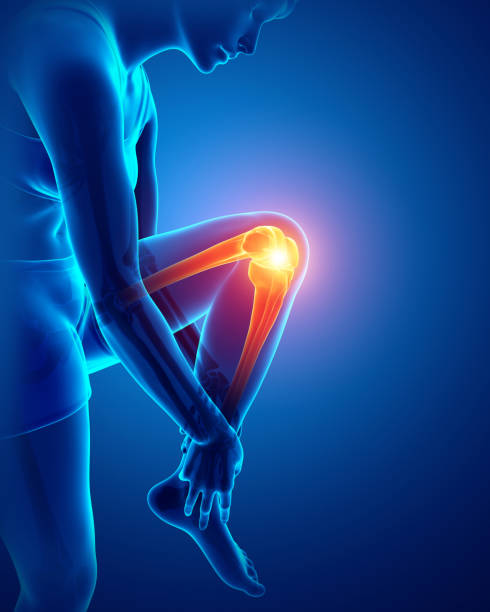
Knee pain is a common ailment affecting many individuals in Newport Beach, often hindering daily activities and reducing overall quality of life. Whether due to sports injuries, age-related degenerative conditions, or other factors, knee discomfort can range from mild to severe. Understanding the causes and exploring appropriate treatment options is crucial for effective management and relief. By gaining insight into the underlying issues and discovering expert strategies, individuals can take proactive steps towards alleviating their knee pain.
Common Causes of Knee Pain
The knee joint is a complex structure that bears the body’s weight, making it susceptible to a variety of injuries and conditions. The most prevalent causes of knee pain include:
- Osteoarthritis: A degenerative joint disease where the cartilage in the knee deteriorates over time.
- Ligament Injuries: Such as ACL or MCL tears, often associated with sports activities.
- Tendinitis: Inflammation of the tendons, frequently affecting athletes and active individuals.
- Bursitis: Inflammation of the bursae, the small fluid-filled sacs that cushion the knee joint.
- Meniscus Tears: Damage to the cartilage that cushions the knee, typically due to twisting injuries.
Understanding these causes can help in determining the most effective treatment options. For a comprehensive overview of tailored solutions, learn about our tailored solutions.
Diagnosis and Treatment Options
Accurate diagnosis is vital for effective treatment of knee pain. Healthcare professionals typically perform a thorough medical history review and physical examination, often complemented by imaging tests such as X-rays or MRI scans. Once the underlying cause is identified, various treatment options can be considered.
Non-Surgical Treatments
- Physical Therapy: Tailored exercises and stretches to strengthen the muscles around the knee and improve flexibility.
- Medications: Pain relievers and anti-inflammatory drugs to manage symptoms.
- Corticosteroid Injections: Reducing inflammation and providing temporary pain relief.
- Bracing and Orthotics: Supporting the knee and alleviating strain.
For those seeking non-invasive solutions, explore advanced guides and tips on effective management techniques.
Surgical Treatments
In cases where non-surgical treatments fail to provide relief, surgical interventions may be necessary. These can include:
- Arthroscopy: A minimally invasive procedure to repair or remove damaged tissue.
- Partial Knee Replacement: Replacing only the damaged part of the knee joint.
- Total Knee Replacement: Replacing the entire knee joint with an artificial implant.
Each surgical option has its benefits and risks, and decisions should be made in consultation with a healthcare professional. Find out more about this approach to surgical solutions and their outcomes.
Preventing Knee Pain
Prevention is always better than cure, and several strategies can help in reducing the risk of knee pain:
- Maintain a Healthy Weight: Reducing stress on the knee joints.
- Engage in Regular Exercise: Strengthening the muscles around the knee, enhancing stability.
- Wear Proper Footwear: Providing adequate support and cushioning.
- Warm-Up Before Activities: Preparing the body and reducing the likelihood of injuries.
For more preventive techniques and lifestyle adjustments, discover expert strategies here.
Conclusion
In Newport Beach, understanding and addressing knee pain is crucial for maintaining mobility and quality of life. Through proper diagnosis, exploring various treatment options, and implementing preventive measures, individuals can effectively manage knee pain and resume their daily activities with greater ease. For comprehensive insights and expert guidance, find out more about this approach to knee pain management.
About the Author