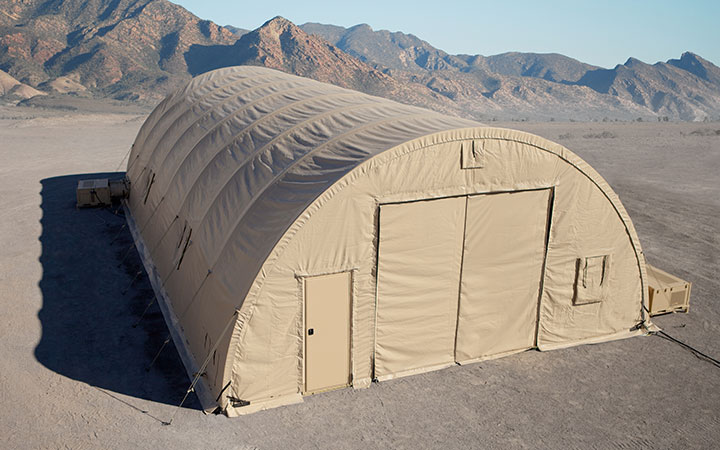
When venturing into the rugged terrains of Alaska, choosing the right tent is crucial for a successful expedition. The state’s unique climate and diverse landscapes demand a shelter that can withstand various challenges, whether it be extreme cold, strong winds, or heavy snow. This guide provides insights into selecting the best Alaska tents, designed to offer both comfort and protection in the harshest conditions. With a myriad of options available, understanding the critical features and specifications is essential for making an informed decision.
Understanding Alaska Tents: Key Features
Alaska tents are specifically designed to endure the demanding environments of the region. Here are the key features to consider:
- Durability: Look for tents made from high-quality materials such as ripstop nylon or polyester, which offer excellent resistance to tears and abrasions.
- Weather Resistance: Ensure the tent is equipped with a robust rainfly, sealed seams, and a sturdy frame to withstand heavy snow and strong winds.
- Insulation: Opt for tents with superior insulation properties to maintain warmth in sub-zero temperatures.
- Space and Comfort: Consider the tent’s capacity and design to ensure it comfortably accommodates the number of occupants and their gear.
- Ventilation: Adequate ventilation is critical to prevent condensation buildup, which can lead to discomfort and damp conditions.
Types of Alaska Tents
Expedition Tents
Expedition tents are designed for extreme conditions, providing maximum protection against the elements. These tents are typically:
- Highly Durable: Constructed with robust materials and reinforced supports.
- Weather-Proof: Equipped with full rainflies and extensive vestibule areas for gear storage.
- Insulated: Often feature additional layers and thermal barriers to retain heat.
4-Season Tents
Known for their versatility, 4-season tents are suitable for both winter and summer use. Key attributes include:
- Versatile Design: Adaptable to various weather conditions, with removable panels for improved airflow in warmer months.
- Sturdy Frames: Designed to resist harsh weather, including snow and wind.
Choosing the Right Tent Size
Selecting the appropriate tent size is essential for comfort and practicality. Consider the following:
- Occupancy: Determine the number of people and amount of gear to be accommodated.
- Space Requirements: Assess the need for additional space for comfort, especially during extended stays.
For more information on different alaska tents, explore various manufacturers that specialize in outdoor equipment.
Maintenance and Care
Proper maintenance extends the life of your Alaska tent. Follow these guidelines:
- Regular Cleaning: Clean the tent after each use to prevent mold and mildew buildup.
- Storage: Store in a cool, dry place, and avoid prolonged exposure to direct sunlight when not in use.
- Repairs: Promptly address any damage to fabric or frames to maintain the tent”?s integrity.
Conclusion
Choosing the best tent for an Alaskan adventure involves careful consideration of several factors, including durability, weather resistance, and size. By understanding the specific needs that the Alaskan environment demands, outdoor enthusiasts can select a tent that ensures safety and comfort. Proper care and maintenance further enhance the longevity and performance of the tent, making it a reliable companion for many expeditions to come.
About the Author


