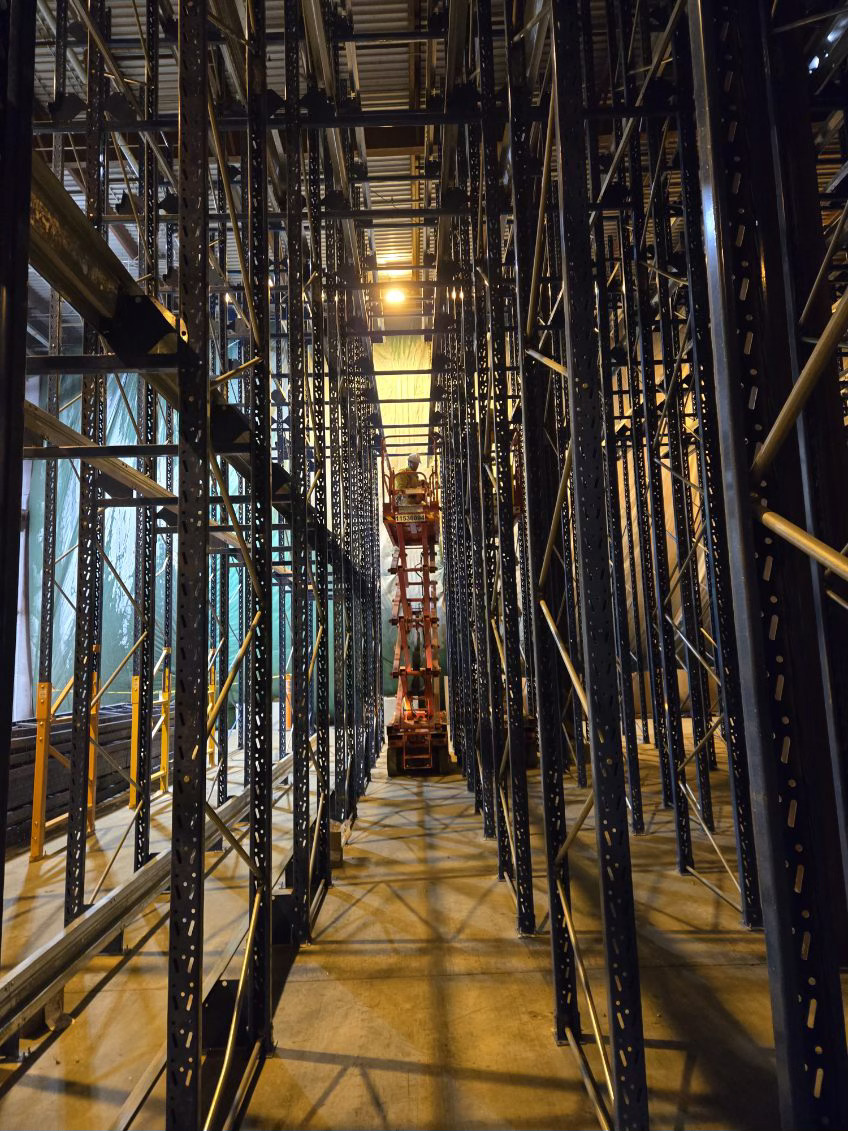
In today’s fast-paced industrial landscape, the demand for efficiency and accuracy in warehouse operations is higher than ever. Automation solutions have emerged as a pivotal force in transforming traditional warehousing practices, introducing unprecedented levels of productivity and control. With the integration of advanced technologies, warehouses are now capable of optimizing workflows, reducing human error, and significantly cutting down operational costs. As businesses look for ways to stay competitive, embracing automation becomes not just an option, but a necessity.
The Benefits of Automation in Warehousing
Automation in warehouse operations offers numerous advantages that can enhance various aspects of business functions. Key benefits include:
- Increased Efficiency: Automated systems streamline processes, ensuring faster completion of tasks.
- Improved Accuracy: Reducing human intervention minimizes errors in order picking and inventory management.
- Cost Reduction: Automation reduces labor costs and enhances energy efficiency.
- Safety Enhancements: Automated machinery can handle dangerous tasks, reducing the risk of workplace injuries.
Explore advanced guides and tips for implementing automation solutions effectively by visiting
this comprehensive resource.
Key Technologies Driving Warehouse Automation
Modern warehouse automation is driven by a suite of innovative technologies. These include:
Robotic Process Automation (RPA)
RPA utilizes software robots to automate routine tasks, such as data entry and order processing, allowing human workers to focus on more complex activities.
Discover expert strategies here to integrate RPA into existing warehouse systems.
Automated Guided Vehicles (AGVs)
AGVs are used for material handling and transport within warehouses. These vehicles follow predefined paths and can significantly increase the speed and accuracy of moving goods.
Learn about our tailored solutions for incorporating AGVs into your logistics.
Internet of Things (IoT)
IoT devices are instrumental in real-time data collection and monitoring. They enable predictive maintenance and enhance inventory management through smart sensors and connectivity.
Find out more about this approach to harnessing IoT technologies.
Challenges and Considerations
While automation brings substantial benefits, there are challenges that businesses must consider:
- Initial Investment: The cost of deploying automation technologies can be significant.
- Integration Complexity: Ensuring that new systems work seamlessly with existing infrastructure requires careful planning.
- Workforce Transition: Training and reskilling employees to work alongside automation is crucial.
For businesses looking to overcome these challenges,
explore our tailored solutions designed to support seamless automation integration.
The Future of Warehouse Automation
As technology continues to advance, the future of warehouse automation looks promising. Emerging trends such as AI-driven analytics and machine learning are set to further enhance operational capabilities, providing deeper insights and predictive capabilities. The integration of these technologies promises a more agile, responsive, and efficient warehouse environment.
To remain competitive, businesses must stay informed and adaptable, leveraging the latest innovations to optimize their operations.
Explore advanced guides and tips to stay ahead in the evolving landscape of warehouse automation.
About the Author