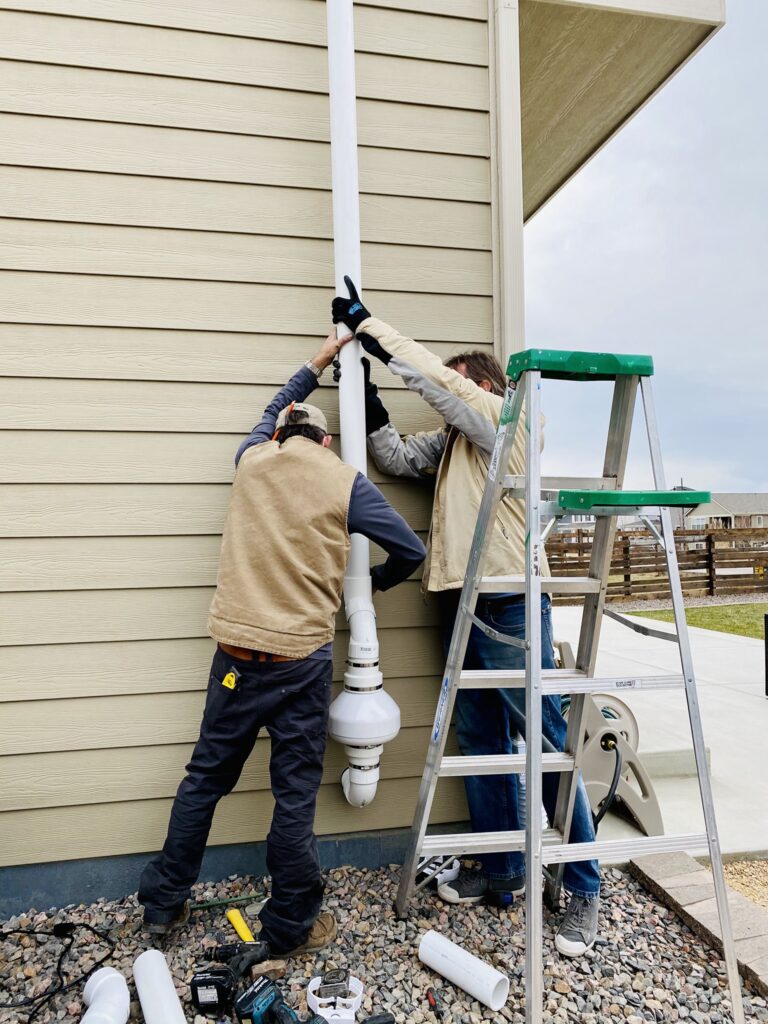
Radon mitigation is a critical concern for homeowners in Denver, given the region’s geological composition that predisposes homes to elevated radon levels. Understanding the costs associated with radon mitigation is essential for making informed decisions about home safety. This article delves into the various factors influencing radon mitigation costs in Denver, providing a comprehensive guide for homeowners seeking effective and affordable solutions. The focus will be on breaking down the costs, exploring the factors that affect them, and offering useful tips to ensure optimal radon levels in homes.
Factors Influencing Radon Mitigation Costs
Several elements can influence the overall cost of radon mitigation in Denver. Recognizing these factors can help homeowners budget effectively and choose the best solutions for their needs.
Home Size and Design
- Larger homes typically require more extensive mitigation systems, increasing costs.
- The architectural design and foundation type of a home can affect the complexity and expense of installation.
Radon Levels
- Higher initial radon levels may necessitate more robust systems, impacting costs.
- Continuous monitoring might be recommended for homes with persistently high levels.
Choice of Mitigation System
- Active systems with electric fans are generally more expensive than passive systems.
- Explore advanced guides and tips on selecting the right system here.
Typical Cost Range for Radon Mitigation in Denver
The cost of radon mitigation systems in Denver can vary widely based on the specifics of the installation. On average, homeowners can expect to spend between $800 and $2,500. This cost encompasses the installation of the system, labor, and any additional services required to ensure efficacy.
Basic System Installation
A basic radon mitigation system, suitable for homes with moderately elevated radon levels, typically falls at the lower end of the cost spectrum. This involves the installation of a pipe system and vent fan to draw radon from beneath the home.
Advanced Systems and Monitoring
For homes with significantly high radon levels, or where the design presents unique challenges, more sophisticated systems may be required. These can include additional suction points or advanced monitoring systems to ensure continuous radon level management. Learn about our tailored solutions here.
Cost-Saving Tips for Radon Mitigation
While ensuring home safety is paramount, there are strategies that can help reduce the costs of radon mitigation:
- Conduct thorough research and obtain multiple quotes from certified professionals.
- Consider combining mitigation with other home improvement projects to save on labor costs.
- Explore financing options or local government programs that offer assistance for radon mitigation.
- Find out more about this approach here.
The Importance of Professional Installation
Professional installation of radon mitigation systems is crucial to ensure they function correctly and effectively reduce radon levels. Certified professionals have the expertise to assess the specific needs of a home and implement solutions that adhere to local regulations and standards. Discover expert strategies here.
Conclusion
Radon mitigation is a vital investment for homeowners in Denver, ensuring the health and safety of all occupants. By understanding the costs involved and the factors that influence them, homeowners can make informed decisions that balance safety and affordability. Whether opting for basic systems or more advanced solutions, it is essential to work with certified professionals to achieve optimal results. For more information on radon mitigation and to explore advanced guides and tips, visit the dedicated resources provided here.
About the Author