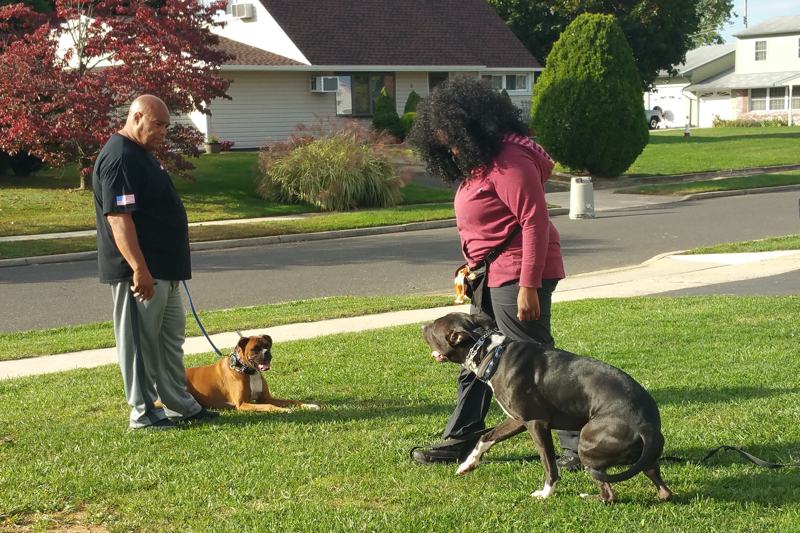
Dog behavior modification is an essential aspect of nurturing a well-adjusted and obedient canine companion. It involves understanding the underlying causes of a dog’s behavioral issues and implementing strategies to address them effectively. Whether dealing with aggression, excessive barking, or separation anxiety, successful behavior modification requires patience, consistency, and expert guidance. This article delves into key strategies that can help in modifying a dog’s behavior, ensuring a harmonious relationship between pet and owner.
Understanding Dog Behavior
Before embarking on behavior modification, it is crucial to understand the root causes of a dog’s behavior. Dogs may exhibit undesirable behaviors due to various reasons such as fear, anxiety, boredom, or lack of training. A comprehensive assessment by a professional can help pinpoint these causes. Discover expert strategies here to gain insights into canine behavior and the best approaches to address them.
Key Strategies for Modification
Positive Reinforcement
Positive reinforcement is a powerful tool in dog behavior modification. This strategy involves rewarding desirable behaviors to encourage their recurrence. Some effective techniques include:
- Using treats or toys as rewards for good behavior.
- Praising the dog verbally to reinforce positive actions.
- Providing consistent and immediate rewards to strengthen associations.
By focusing on positive reinforcement, owners can guide their dogs towards desired behaviors in a humane and effective manner. Learn about our tailored solutions for implementing positive reinforcement successfully.
Consistency and Routine
Dogs thrive on routine and consistency. Establishing a structured environment helps them understand expectations and reduces anxiety. Some strategies include:
- Setting regular feeding, walking, and playtimes.
- Using consistent commands and signals to avoid confusion.
- Maintaining a calm and predictable demeanor during interactions.
By maintaining a consistent approach, dogs can better adapt to behavior modifications. Explore advanced guides and tips on maintaining consistency in training routines.
Socialization
Socialization is critical for preventing and modifying behavior issues. Exposing dogs to various environments, people, and other animals helps them become well-rounded and reduces fear-induced aggression. Essential steps include:
- Gradual introduction to new situations and stimuli.
- Encouraging positive interactions with other dogs and humans.
- Monitoring the dog”?s response to new experiences and adjusting accordingly.
Socialization not only enhances a dog”?s confidence but also mitigates behavioral problems. Find out more about this approach to effective socialization techniques.
Professional Guidance
For complex behavioral issues, seeking professional guidance is often necessary. Dog trainers possess the expertise to tailor behavior modification plans to individual dogs. Key benefits of professional assistance include:
- Customized training plans that address specific issues.
- Expert insights into canine psychology and behavior.
- Access to advanced training methods and tools.
Engaging with a professional ensures a higher likelihood of successful behavior modification outcomes. Explore advanced guides and tips offered by experienced trainers.
Conclusion
Successful dog behavior modification hinges on understanding the causes of unwanted behaviors and implementing structured strategies to address them. Positive reinforcement, consistency, socialization, and professional guidance are integral components of effective behavior modification. By adopting these strategies, dog owners can foster a positive environment that promotes desired behaviors and strengthens the bond with their canine companions. For comprehensive resources and expert advice, visit Proven Dog Training to embark on the journey towards successful dog behavior modification.
About the Author