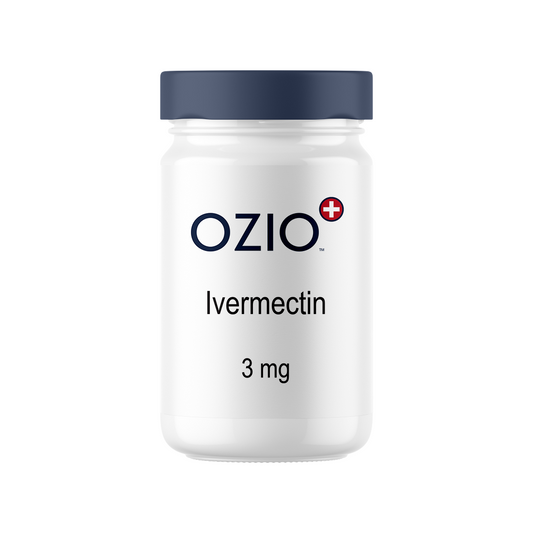
Ivermectin for Humans: How to Use it Safely
Ivermectin, a medication traditionally used for treating parasitic infections in animals, has gained attention for its potential applications in humans. Understanding how to use it safely is crucial, especially in an era where information is abundant yet sometimes misleading. This article delves into the responsible use of ivermectin, highlighting key considerations and expert advice for those exploring its benefits.
Understanding Ivermectin
What is Ivermectin?
Ivermectin is an antiparasitic agent that has been used to treat a variety of infections caused by parasites such as roundworms, lice, and mites. Its discovery has been a game-changer in both veterinary and human medicine. Though it has shown promise in different contexts, including potential antiviral effects, its primary role remains in combating parasitic diseases.
Safe Usage Guidelines
Consultation with Healthcare Professionals
Prior to using ivermectin, it is vital to consult with healthcare professionals. They can provide personalized advice based on individual health conditions and potential interactions with other medications.
- Always discuss your health history with a doctor before taking ivermectin.
- Ensure that the medication is necessary for your specific condition.
- Follow the prescribed dosage and regimen strictly.
To find out more about this approach and ensure you are using ivermectin correctly, seeking medical advice is non-negotiable.
Proper Dosage and Administration
The dosage of ivermectin can vary based on the condition being treated and the patient”?s weight. Misuse or incorrect dosage can lead to serious side effects.
- Adhere to the dosage instructions provided by your healthcare provider.
- Avoid self-prescribing or adjusting the dosage without professional guidance.
- Be aware of the medication’s form and whether it is intended for oral consumption or topical application.
For more insights into dosage and administration, explore advanced guides and tips available from experts.
Recognizing Potential Side Effects
Common Side Effects
While generally well-tolerated, ivermectin can cause side effects. Being informed about these can help in early detection and management.
- Common side effects include dizziness, nausea, and mild skin rash.
- Severe side effects may involve neurological symptoms or vision disturbances.
- Seek immediate medical attention if severe side effects occur.
To learn about our tailored solutions for managing side effects, consider consulting professional resources and healthcare providers.
Conclusion
The evolving landscape of ivermectin usage in humans underscores the importance of informed, cautious application. By following expert strategies and ensuring that each step of medication management is backed by professional advice, the potential benefits of ivermectin can be harnessed safely. For those interested in expanding their knowledge, discover expert strategies here to make informed decisions about ivermectin use.
About the Author