In today’s fast-paced industrial environment, efficiency is the cornerstone of productivity and success. One of the pivotal innovations that have significantly enhanced operational efficiency is the use of lift hydraulics. These systems have transformed the way heavy loads are managed and manipulated in various industrial settings, providing a balance of power, precision, and control. This article explores how lift hydraulics contribute to improved efficiency and the critical role they play in modern industry.
Understanding Lift Hydraulics
Lift hydraulics operate on the principle of fluid dynamics to generate movement and force. They are a critical component in various industrial applications, ranging from manufacturing to construction. The primary advantage of these systems is their ability to handle substantial weights with ease, offering a reliable solution for lifting and moving heavy materials.
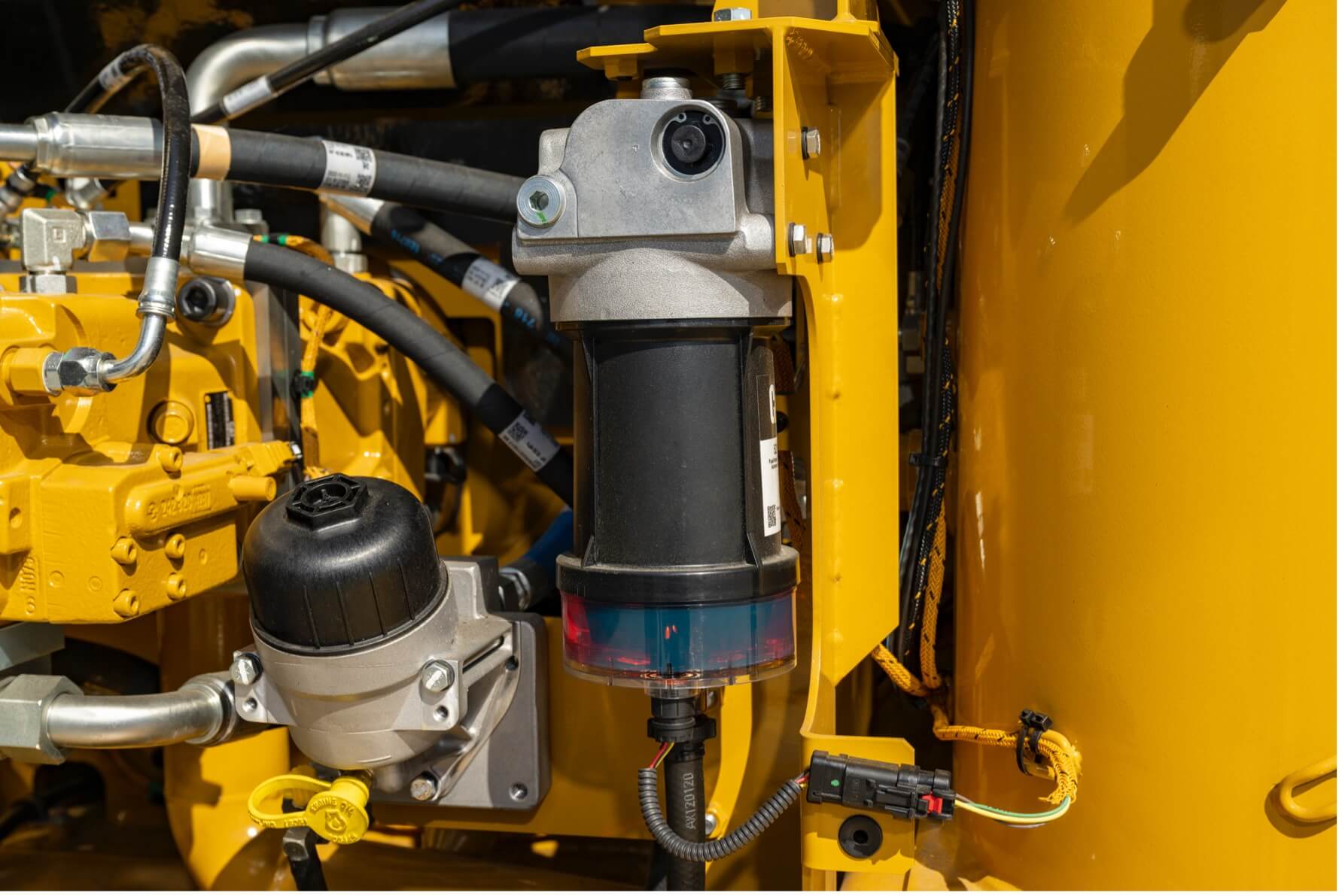
Components of Hydraulic Systems
Several key components work together to ensure the effective operation of hydraulic systems:
- Hydraulic pump: Converts mechanical power into hydraulic energy.
- Hydraulic lift cylinder: Executes the lifting action by converting hydraulic energy back into mechanical power.
- Valves: Control the flow of the hydraulic fluid, thereby regulating the movement.
- Reservoir: Stores the hydraulic fluid and aids in heat dissipation.
These components work in harmony to create a system capable of executing complex lifting tasks with precision and ease.
Advantages of Hydraulic Systems in Industry
Enhanced Lifting Capacity
The primary benefit of hydraulic systems is their enhanced lifting capacity. Unlike mechanical systems, hydraulics can exert a significant amount of force with relatively little input energy. This characteristic makes hydraulic systems ideal for industries requiring the movement of large and heavy objects.
Precision and Control
Hydraulic systems provide unparalleled precision and control. This is crucial in applications where precise movements are necessary, such as in assembly lines or when handling delicate materials. The ability to fine-tune the speed and force of movement allows for improved accuracy and reduced risk of damage.
Durability and Reliability
Industrial environments demand equipment that can withstand harsh conditions. Hydraulic systems are known for their durability and reliability, making them a preferred choice for long-term applications. The robust nature of hydraulic lift components ensures they can endure the rigors of daily use without frequent maintenance.
Applications of Hydraulic Systems
Hydraulics are versatile and find applications across various industries:
- Manufacturing: Used in assembly lines and robotic machinery for precision tasks.
- Construction: Essential for operating heavy machinery like excavators and cranes.
- Automotive: Employed in car lifts and braking systems for enhanced safety and efficiency.
- Aerospace: Utilized in landing gear and control systems for precise maneuverability.
In each of these applications, the role of lift hydraulics is crucial for enhancing efficiency and productivity.
Future Trends in Hydraulic Technology
As technology advances, so too does the capability of hydraulic systems. The integration of electronics and smart technology with hydraulics is paving the way for more sophisticated and efficient systems. Innovations such as sensor technology and IoT integration are expected to provide real-time data and analytics, further optimizing operational efficiency.
Another promising development is the move towards eco-friendly hydraulic solutions, focusing on reducing environmental impact while maintaining high performance standards.
Conclusion
In conclusion, lift hydraulics play an indispensable role in enhancing efficiency in industrial settings. Their ability to handle heavy loads with precision and reliability makes them an invaluable asset in multiple industries. As technology continues to evolve, the future of hydraulic systems promises even greater advancements in efficiency and sustainability. The ongoing innovation in this field is set to redefine the landscape of industrial operations, driving productivity and success.
About the Author