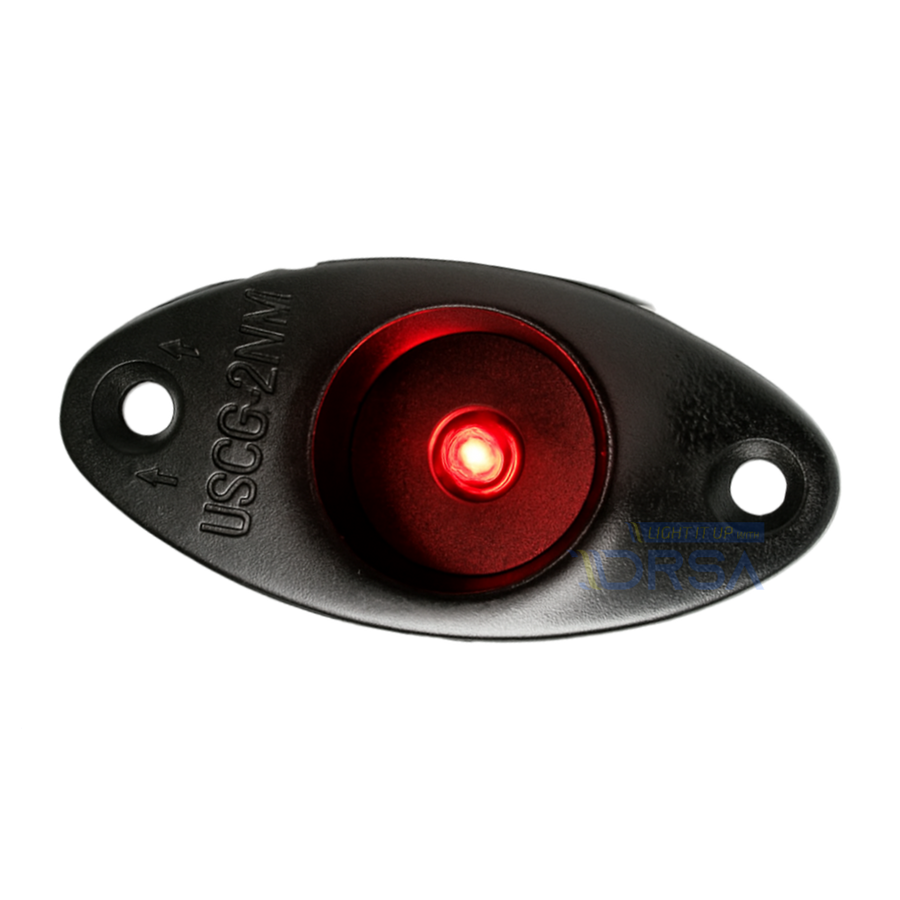
For boating enthusiasts, ensuring the safety and visibility of their vessels is paramount. As waterways become busier, the need for effective navigation lighting cannot be overstated. Not only is it crucial for avoiding accidents and ensuring compliance with maritime regulations, but quality navigation lighting also enhances the overall aesthetic and functionality of a boat. This article discusses the importance of selecting the right lighting solutions and how they contribute to a safer maritime experience.
The Importance of Navigation Lighting
Navigation lighting serves several critical functions on a boat. It not only signals the vessel’s presence, size, and direction but also aids in preventing collisions during night-time or in poor visibility conditions. Here are some key reasons why navigation lights are indispensable:
- Visibility: Ensures that the boat is visible to other vessels, reducing the risk of accidents.
- Communication: Conveys important information about the boat’s position and movement to others on the water.
- Compliance: Adheres to international maritime regulations, which require specific lighting configurations for different vessel types.
Choosing the Right Navigation Lighting
Selecting the appropriate navigation lighting is crucial for maximizing safety and functionality. Here are some factors to consider:
Types of Navigation Lights
Different boats require different types of navigation lights, depending on their size and the waters they navigate. Some common types include:
- Masthead lights: Typically white, these lights are positioned on the mast to signal the boat’s presence.
- Sidelights: Red and green lights placed on the port and starboard sides, respectively, indicating the vessel’s direction.
- Stern lights: Positioned at the back of the boat, these white lights help show the vessel’s rear position.
- All-round lights: Often used on smaller boats, these lights provide visibility from all angles.
Quality and Durability
Investing in high-quality navigation lighting ensures long-lasting performance and reliability. Consider lights that are:
- Weather-resistant to withstand harsh marine environments.
- Energy-efficient, such as LED options, which offer brighter illumination with less power consumption.
- Easy to install and maintain, reducing downtime and operational costs.
Installation and Maintenance Tips
Proper installation and regular maintenance of navigation lighting are essential for optimal performance. Here are some tips to ensure that your lighting remains effective:
- Correct Positioning: Ensure that lights are installed at the correct height and position to comply with maritime regulations.
- Regular Checks: Frequently inspect lights for any signs of wear or damage, replacing bulbs and fixtures as necessary.
- Cleaning: Regularly clean the lights to remove any salt, dirt, or debris that could affect visibility.
Conclusion
Incorporating high-quality navigation lighting into a vessel’s setup is essential for enhancing safety and complying with maritime regulations. By selecting the right types of lights and maintaining them properly, boaters can ensure their vessel remains visible and safe on the water. Whether sailing in calm or challenging conditions, investing in reliable navigation lighting is a decision that pays off in both safety and peace of mind.
About the Author