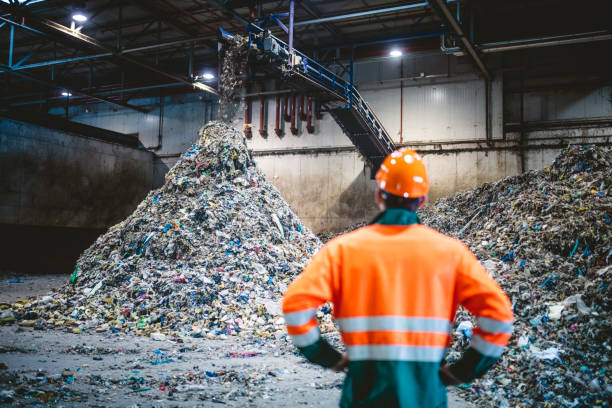
In an era where sustainability is not just a choice but a necessity, businesses are increasingly turning to efficient waste solutions to manage their environmental impact. Effective waste management is not only pivotal in reducing the carbon footprint but also essential in meeting regulatory requirements and enhancing corporate reputation. Businesses seeking to implement these solutions often require services that are adaptable and tailored to their specific needs. The complexity of waste management can vary widely across industries, making it crucial to find a solution that is both effective and efficient.
Understanding Waste Management Needs
Every business generates waste, but the type and volume can differ significantly based on the industry and operational scale. Effective waste management begins with a thorough understanding of these needs.
- Identify Types of Waste: Determine whether the waste is hazardous or non-hazardous, recyclable or non-recyclable.
- Analyze Waste Generation Patterns: Assess the frequency and volume of waste production to plan appropriate disposal or recycling strategies.
- Consider Regulatory Compliance: Ensure all waste management practices meet local and international regulations to avoid legal issues.
For more comprehensive strategies on waste management, read more about this topic.
Choosing the Right Waste Solutions
Choosing the appropriate waste solutions can lead to significant cost savings and environmental benefits. Here are some factors to consider:
Scalability and Flexibility
Waste solutions should be scalable to adapt to the changing needs of a business. Flexibility in service provision ensures that businesses can adjust their waste management strategies as needed. Learn more in this detailed guide about scalable waste solutions.
Technology Integration
Modern waste management companies utilize technology to enhance efficiency. This can include:
- Data Analytics: To track waste generation and optimize disposal routes.
- Automation: For sorting and processing waste materials.
- Mobile Applications: To provide real-time updates on waste collection schedules.
Explore further insights here on how technology is revolutionizing waste solutions.
Benefits of Efficient Waste Management
Implementing efficient waste solutions offers numerous benefits beyond environmental conservation.
- Cost Reduction: Proper waste management can significantly lower operational costs by reducing waste disposal fees and utilizing recycling programs.
- Enhanced Corporate Image: Demonstrating a commitment to sustainability can enhance a company’s public image and attract environmentally conscious customers and partners.
- Improved Employee Morale: Engaging employees in sustainability initiatives can improve morale and foster a culture of responsibility.
Find additional information here on the benefits of adopting efficient waste solutions.
Implementing a Sustainable Waste Management Plan
An effective waste management plan is integral to achieving long-term sustainability goals.
- Conduct a Waste Audit: Start by assessing the current waste management practices and identifying areas for improvement.
- Set Clear Objectives: Define specific, measurable goals for waste reduction and recycling.
- Engage Stakeholders: Involve employees, suppliers, and customers in waste management efforts to maximize impact.
- Regular Monitoring and Reporting: Continuously track progress and report on outcomes to ensure adherence to sustainability targets.
For a detailed approach to implementing sustainable practices, explore further insights here.
By integrating efficient waste solutions, businesses can significantly contribute to environmental conservation while also benefiting from operational efficiencies and improved reputational standing. The journey towards sustainable waste management is ongoing, and staying informed about the latest trends and solutions is essential for success.
About the Author