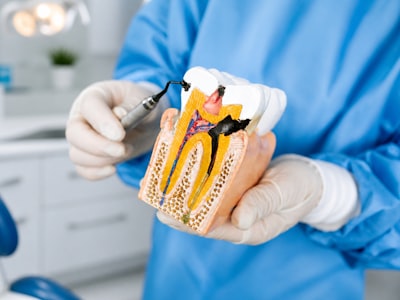
Root canal therapy in Hamilton, OH, has evolved into a precise, patient-centered discipline that balances clinical excellence with comfort. When a tooth’s pulp becomes inflamed or infected, timely intervention can preserve natural dentition, prevent extensive restorative work, and maintain overall oral health. A certified endodontic specialist brings advanced diagnostics, state-of-the-art equipment, and evidence-based techniques to ensure optimal outcomes. This article outlines the comprehensive services available in Hamilton, Ohio, and explains how each step contributes to long-term dental stability.
Understanding the Need for Root Canal Treatment
Before delving into the procedural details, it is essential to recognize the signs that indicate a root canal may be necessary. Common symptoms include:
- Persistent toothache that intensifies with temperature changes.
- Swelling or tenderness in the surrounding gums.
- Darkening of the tooth’s enamel.
- Sensitivity to pressure or chewing.
Early detection through regular examinations can prevent the spread of infection to adjacent teeth and bone. For a deeper exploration of diagnostic strategies, Discover expert strategies here.
Step-by-Step Overview of the Root Canal Process
1. Comprehensive Diagnosis and Planning
The journey begins with a thorough clinical assessment, which typically includes:
- Digital radiography or cone-beam CT scans to visualize the canal anatomy.
- Electrical pulp testing to evaluate nerve vitality.
- Detailed medical history review to identify contraindications.
These tools enable the specialist to map the canal system accurately, reducing the risk of missed canals. Learn about our tailored solutions for complex cases.
2. Anesthesia and Isolation
Effective pain control is achieved using local anesthesia, followed by the placement of a rubber dam. This isolation technique:
- Prevents saliva contamination.
- Provides a clear field for instrumentation.
- Enhances patient safety.
3. Access Cavity Creation
A small opening is made in the crown of the tooth to reach the pulp chamber. Precision is crucial to preserve as much healthy tooth structure as possible while allowing full visibility of the canal entrances.
4. Cleaning and Shaping the Canals
Using rotary or hand files, the specialist removes diseased tissue and shapes the canals to receive a filling material. Irrigation solutions, such as sodium hypochlorite, are employed to disinfect the space and dissolve remaining debris.
5. Obturation (Filling)
After thorough cleaning, the canals are sealed with biocompatible gutta-percha points and a resin-based sealer. This three-dimensional fill prevents future bacterial infiltration.
6. Restoration
To restore function and aesthetics, the tooth is typically capped with a composite filling or a custom-made crown. The final restoration protects the treated tooth from fracture and re-infection.
Advanced Technologies Enhancing Success Rates
Modern endodontic practice in Hamilton leverages several innovations that improve both efficiency and patient comfort:
- Operating Microscopes: Provide magnification up to 20??, allowing detection of micro-fractures and additional canals.
- Nickel-Titanium Rotary Systems: Offer flexible, fatigue-resistant files that navigate curved canals with reduced procedural errors.
- Electronic Apex Locators: Accurately determine canal length, minimizing radiographic exposure.
- 3-D Imaging: Cone-beam CT delivers detailed anatomical maps, especially useful for retreatments.
For a comprehensive guide to these technologies, Explore advanced guides and tips.
Post-Treatment Care and Follow-Up
Successful outcomes depend not only on the procedure itself but also on diligent aftercare. Recommended practices include:
- Maintaining oral hygiene with a soft-bristled toothbrush and fluoride toothpaste.
- Avoiding hard foods for 24-48 hours to allow the restoration to set.
- Scheduling a follow-up appointment within two weeks to assess healing.
- Reporting any lingering pain, swelling, or sensitivity promptly.
Continued monitoring ensures that the tooth remains functional and that any complications are addressed early. Find out more about this approach.
Why Choose a Certified Endodontic Specialist in Hamilton?
Specialists undergo additional years of focused training, mastering the nuances of root canal anatomy and complex retreatments. Their expertise translates into:
- Higher success rates, especially for molars with multiple canals.
- Reduced chair-time through efficient techniques.
- Minimized postoperative discomfort.
- Personalized treatment plans that consider each patient’s unique dental history.
Conclusion
Root canal therapy in Hamilton, OH, is a sophisticated, evidence-based service that preserves natural teeth while safeguarding overall oral health. By integrating meticulous diagnosis, cutting-edge instrumentation, and comprehensive aftercare, a certified endodontic specialist delivers outcomes that stand the test of time. Patients seeking long-lasting relief and tooth preservation can rely on these advanced protocols to restore confidence and function, one canal at a time.
About the Author