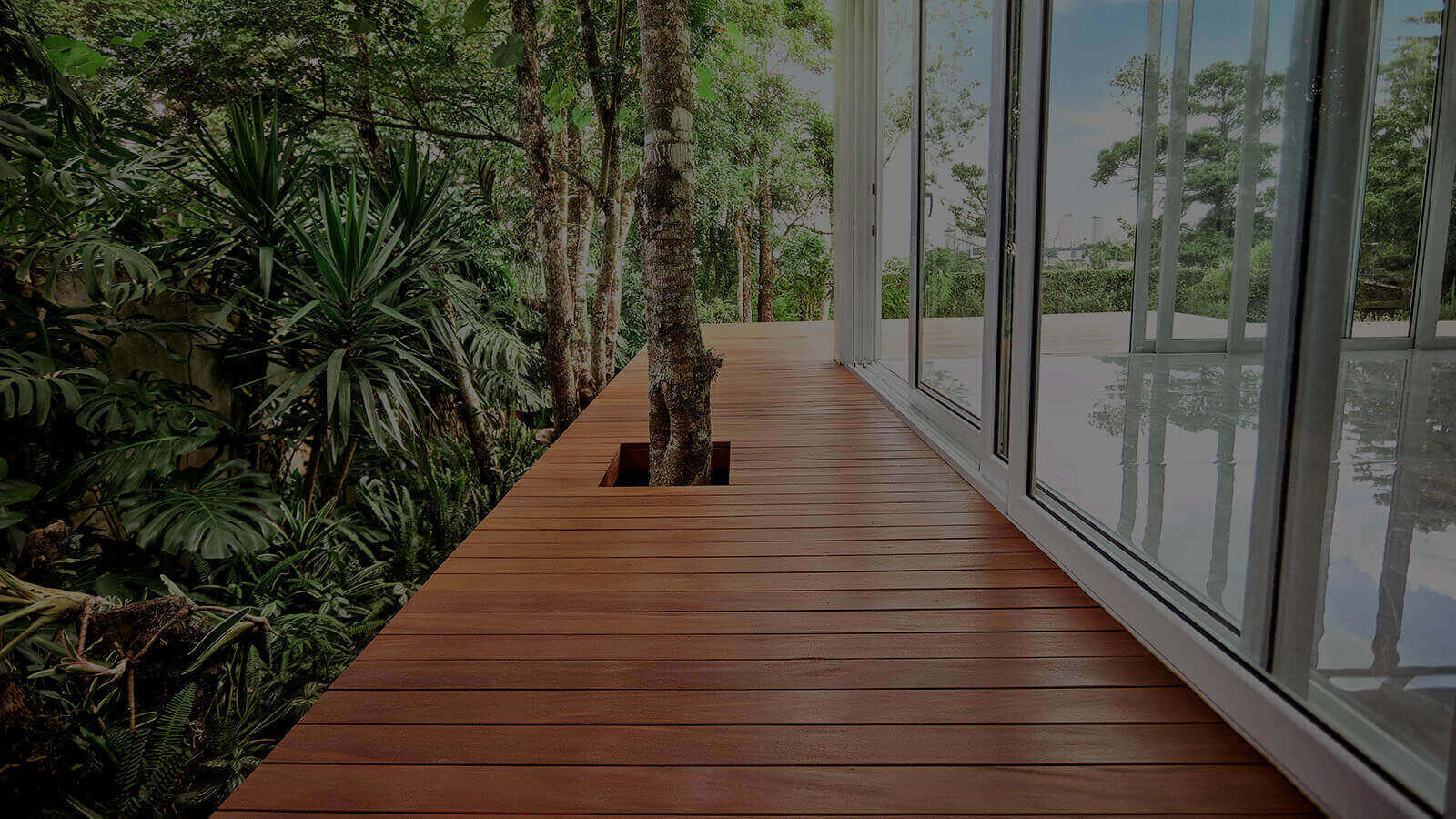
As environmental sustainability gains prominence, the construction industry is increasingly focused on eco-friendly materials. Thermowood decking products have emerged as a leading sustainable choice for outdoor decking solutions. These products are celebrated for their durability, aesthetic appeal, and environmental benefits. This article explores the unique attributes of Thermowood decking, highlighting its sustainability, benefits, and applications.
What is Thermowood?
Thermowood is a type of timber that has been thermally modified to enhance its properties. The thermal modification process involves heating the wood to high temperatures, typically between 180-230 degrees Celsius, in an oxygen-free environment. This process alters the chemical structure of the wood, resulting in enhanced durability and stability.
Key Characteristics of Thermowood
- Increased Durability: The thermal modification process significantly improves the durability of the wood, making it more resistant to decay and insect attacks.
- Dimensional Stability: Thermowood exhibits reduced swelling and shrinking, ensuring that it maintains its shape and structural integrity over time.
- Enhanced Aesthetic Appeal: The process gives the wood a rich, warm color that enhances its visual appeal.
- No Chemical Additives: As the process relies on heat rather than chemicals, Thermowood is free from harmful additives, making it an environmentally friendly choice.
Sustainability of Thermowood Decking
Thermowood decking products are a sustainable choice for several reasons. The thermal modification process does not involve the use of chemicals, resulting in a product that is free from toxins. Additionally, the process enhances the lifespan of the wood, reducing the need for frequent replacements and minimizing environmental impact. Read more about this topic.
Environmental Benefits
- Renewable Resource: Thermowood is typically sourced from sustainably managed forests, ensuring that it is a renewable resource.
- Carbon Footprint Reduction: The durability of Thermowood reduces the frequency of replacements, thereby decreasing the carbon footprint associated with production and transportation.
- Recyclability: At the end of its lifecycle, Thermowood can be recycled or safely disposed of, minimizing its impact on the environment.
Applications of Thermowood Decking
Thermowood decking products are versatile and suitable for a variety of applications. They are commonly used in residential and commercial settings, offering both functional and aesthetic benefits. Explore further insights here.
Common Uses
- Outdoor Decking: Ideal for patios, balconies, and garden decking, providing a natural and warm aesthetic.
- Facades and Cladding: Used in building facades for its durability and attractive appearance.
- Sauna Interiors: Thermowood’s resistance to heat and moisture makes it perfect for sauna interiors.
Advantages of Choosing Thermowood Decking
The choice of Thermowood decking offers several advantages over traditional wood products. Its enhanced properties make it a preferred choice for those seeking long-lasting and environmentally friendly decking solutions. Find additional information here.
Key Advantages
- Low Maintenance: The enhanced durability and stability mean less maintenance is required over its lifespan.
- Cost-Effective: While the initial cost may be higher than untreated wood, the longevity and reduced maintenance costs make it cost-effective in the long run.
- Environmental Responsibility: Choosing Thermowood reflects a commitment to sustainability and environmental responsibility.
In conclusion, Thermowood decking products represent a sustainable choice for those seeking durable, aesthetically pleasing, and environmentally friendly building materials. As the demand for sustainable construction materials continues to grow, Thermowood stands out as an exemplary option for both residential and commercial projects. Learn more in this detailed guide.
About the Author