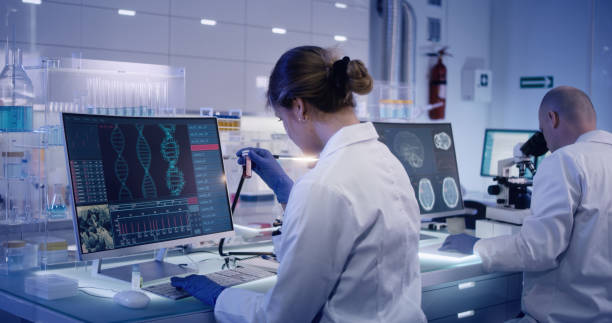
The landscape of health care management is rapidly evolving, driven by technological advancements and the increasing demand for efficient and effective patient care. As health care systems globally strive to enhance service delivery, the integration of cutting-edge management solutions is pivotal. These solutions not only streamline operations but also elevate patient care standards by leveraging data-driven insights and innovative technology. This article explores how modern health care management solutions are transforming the industry and shaping the future of care delivery.
The Role of Technology in Health Care Management
In recent years, technology has become an indispensable component of health care management. It plays a crucial role in optimizing various facets of health care services, from patient records to treatment scheduling. Here are some key areas where technology is making a significant impact:
- Electronic Health Records (EHRs): Digital records improve the quality of patient care by ensuring that health care providers have timely access to accurate patient information.
- Telemedicine: This innovation allows patients to receive medical consultations remotely, enhancing accessibility and convenience.
- Data Analytics: By analyzing patient data, health care providers can make informed decisions, leading to improved outcomes and operational efficiency. Explore further insights here.
Benefits of Advanced Health Care Management Solutions
The implementation of advanced management solutions in health care brings a multitude of benefits that enhance both the patient experience and the operational capabilities of health care facilities. Some of these benefits include:
- Improved Patient Care: By leveraging technology, health care providers can offer personalized care plans and monitor patient progress more effectively.
- Increased Efficiency: Automated processes reduce administrative burdens, allowing health care professionals to focus more on patient care.
- Cost Reduction: Efficient management of resources and streamlined operations lead to significant cost savings for health care institutions.
To gain a deeper understanding of these benefits, read more about this topic.
Challenges and Considerations
While the benefits of advanced health care management solutions are evident, implementing these systems comes with its own set of challenges. Health care providers must consider the following when integrating new technologies:
- Data Security: Protecting patient information is paramount. Robust security measures must be in place to prevent unauthorized access.
- Staff Training: Continuous education and training are essential to ensure that staff can effectively use new technologies.
- Cost of Implementation: Initial setup costs can be high, although the long-term benefits often justify the investment.
For a detailed guide on overcoming these challenges, learn more in this detailed guide.
Future Trends in Health Care Management
As technology continues to advance, several trends are expected to shape the future of health care management:
- Artificial Intelligence (AI): AI will play a significant role in predictive analytics, helping to anticipate patient needs and allocate resources effectively.
- Interoperability: Seamless integration of systems will ensure that health care providers can access information across platforms, enhancing care coordination.
- Patient-Centric Solutions: There will be a greater focus on solutions that empower patients, offering them more control over their health care journeys.
Find additional information here to explore further insights into future trends.
In conclusion, the integration of cutting-edge health care management solutions is essential for the evolution of the health care industry. By embracing technology, health care providers can improve patient outcomes, enhance operational efficiency, and address the challenges of modern health care delivery. As these solutions continue to evolve, they hold the promise of transforming health care into a more efficient, effective, and patient-centered system.
About the Author