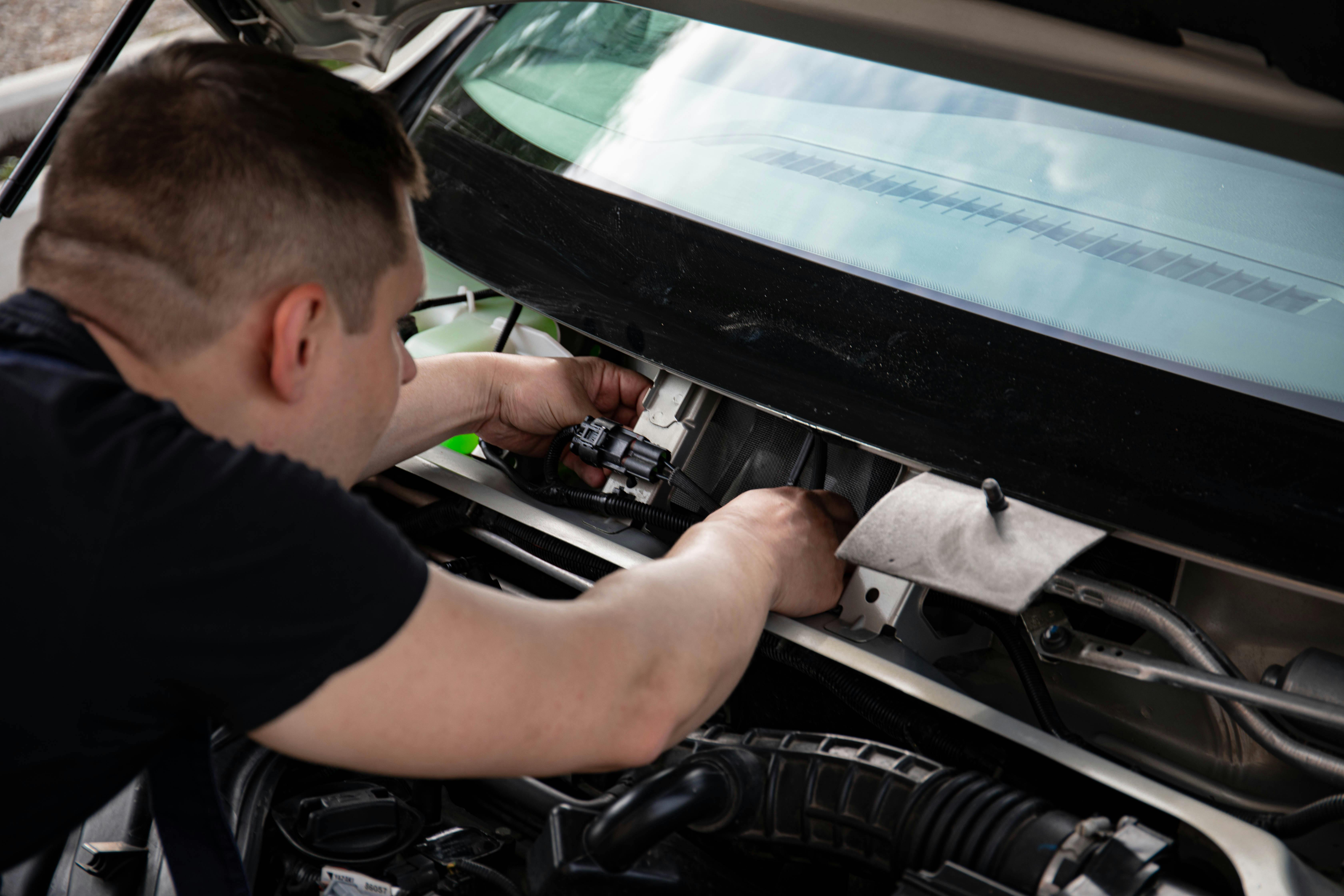
Experiencing a car accident can be a distressing event, leaving you with not only emotional turmoil but also the daunting task of handling repairs. Once the initial shock subsides, it is crucial to know the steps to take to get your vehicle back on the road safely and efficiently. This guide will explore the various repair options available, from assessing the damage to choosing the right repair services, ensuring you make informed decisions every step of the way.
Assessing the Damage
The first step after a car accident is to assess the extent of the damage. This assessment will determine the course of action for repairs and insurance claims.
- Conduct a visual inspection of the car to check for obvious damages.
- Take photographs of the damage for insurance purposes.
- Consider having a professional mechanic evaluate hidden damages.
Understanding the full scope of the damage is critical. For detailed insights into damage assessment, discover expert strategies here.
Choosing a Repair Option
DIY Repairs vs. Professional Services
Depending on the severity of the damage, you may consider handling some repairs yourself or opting for professional services.
- DIY Repairs: Suitable for minor damages like small dents or scratches. Ensure you have the right tools and skills before attempting.
- Professional Services: Essential for more significant damage or if safety systems (airbags, brakes) are compromised. Learn more about tailored solutions from experts.
Insurance and Repairs
Navigating insurance claims can be tricky. It”?s essential to understand your coverage and how it applies to repair options.
- Contact your insurance provider promptly to report the accident.
- Understand the terms of your coverage, especially deductible amounts and repair shop preferences.
- Consider shops recommended by insurers, but remember you have the right to choose your provider.
For advanced guides and tips on handling insurance claims, explore advanced guides and tips.
Finding the Right Repair Shop
Selecting a reputable repair shop is crucial for quality repairs and maintaining the value of your vehicle.
- Research various repair shops and check for certifications such as ASE or I-CAR.
- Read reviews and ask for recommendations from friends or family.
- Visit the shop in person to assess their facilities and customer service.
To ensure you’re making the best choice, find out more about this approach.
Conclusion
After a car accident, understanding your repair options is essential to restoring your vehicle safely and economically. From assessing damage to selecting the right repair service, each step plays a pivotal role in ensuring a smooth and effective recovery process. By following these guidelines and leveraging expert resources, you can navigate this challenging time with confidence and peace of mind.
About the Author