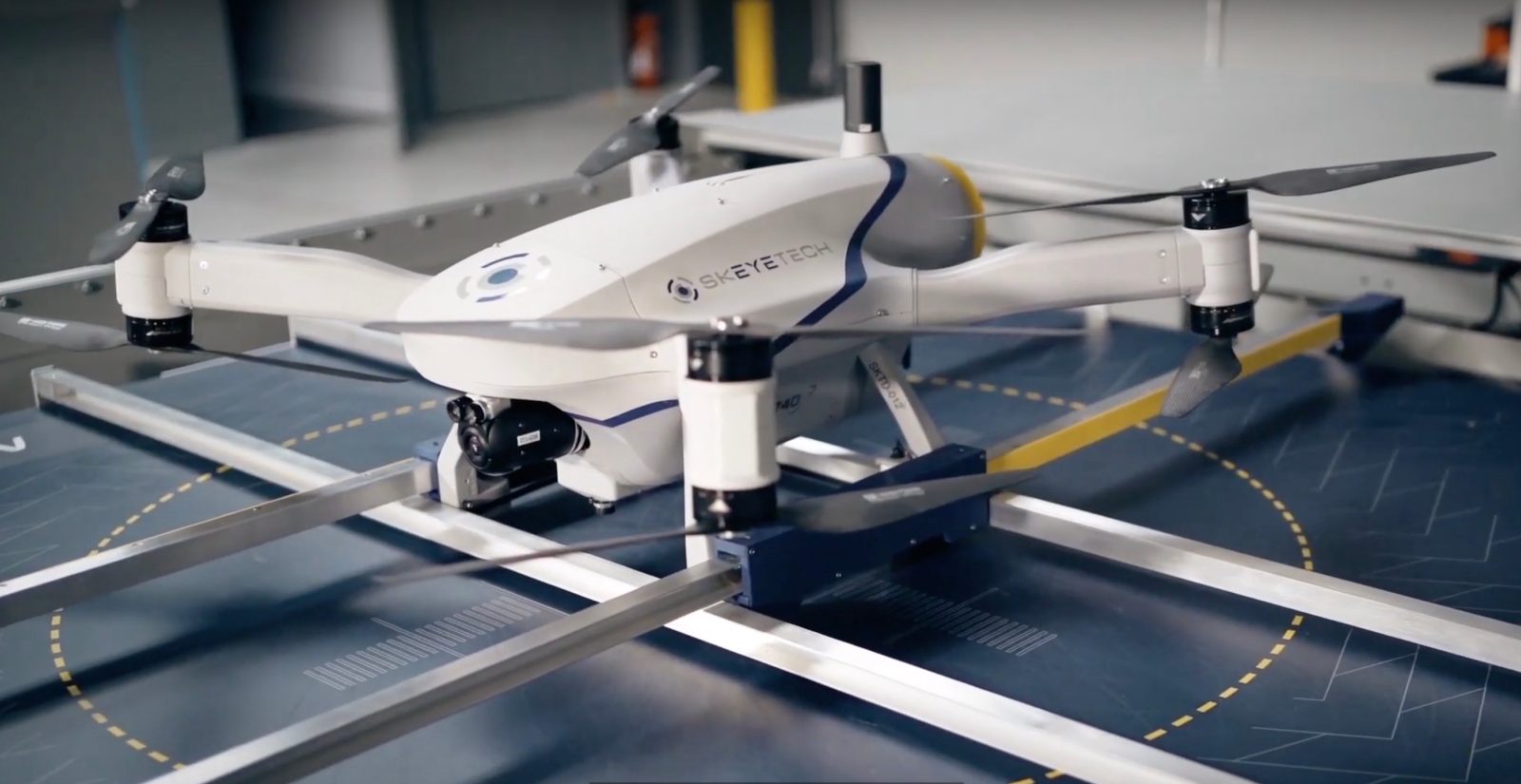
The detection of radiation is a critical task that has traditionally relied on ground-based sensors and manual operations. However, with advancements in technology, drones are increasingly being utilized to enhance radiation detection capabilities. This shift is not only revolutionizing the field of radiation safety but is also setting new standards for efficiency and accuracy. As the demand for robust radiation detection systems grows, the integration of drones presents a promising future.
The Advantages of Drone-Based Radiation Detection
Drone technology offers numerous advantages over traditional methods of radiation detection. These benefits are significant in addressing the limitations faced by manual and stationary detection systems:
- Increased Coverage: Drones can cover large and hard-to-reach areas quickly, providing comprehensive radiation mapping without the need for human presence in hazardous zones.
- Enhanced Safety: By deploying drones, the risk to human personnel is minimized, as the need for direct exposure to potentially dangerous environments is reduced.
- Real-Time Data Collection: Advanced sensors on drones can transmit data in real time, allowing for immediate analysis and response. Explore advanced guides and tips on how this technology is implemented effectively.
- Cost Efficiency: The operational costs associated with drones are typically lower than those of traditional detection methods, which require extensive manpower and equipment deployment.
Technological Innovations in Drone Radiation Detection
The evolution of drone technology has been marked by significant innovations that enhance their radiation detection capabilities. These include:
Advanced Sensor Integration
Drones equipped with state-of-the-art sensors can detect a range of radioactive materials with high precision. These sensors are designed to be lightweight and efficient, ensuring that drones maintain their agility and performance. Discover expert strategies here on how these sensors are integrated into drone systems for optimal performance.
AI and Machine Learning
The incorporation of artificial intelligence and machine learning algorithms enables drones to analyze data more effectively. These technologies allow for pattern recognition and predictive analysis, making it easier to identify potential radiation threats. Find out more about this approach and how it is shaping the future of radiation detection.
Applications of Drone Radiation Detection
The versatility of drones in radiation detection is reflected in their wide range of applications:
- Nuclear Facility Monitoring: Drones can be deployed to monitor radiation levels in and around nuclear facilities, ensuring compliance with safety standards.
- Environmental Surveys: They are instrumental in assessing the impact of radiation on the environment, contributing to ecological preservation efforts.
- Emergency Response: In the event of a nuclear incident, drones provide rapid assessments, allowing for quicker, data-driven decision-making.
- Research and Development: Drones are also used in research settings to gather data that can lead to further technological advancements in radiation detection. Learn about our tailored solutions for research applications.
The Future Landscape
As technology continues to advance, the role of drones in radiation detection is expected to expand further. Innovations in power systems, data processing, and sensor technology will likely enhance the capabilities of drones, making them indispensable in the field of radiation safety. The integration of drones into existing radiation detection frameworks not only promises to improve efficiency but also offers a paradigm shift in how radiation threats are managed.
For those interested in the latest developments in drone-based radiation detection systems, find out more about this approach and explore the possibilities that lie ahead.
About the Author