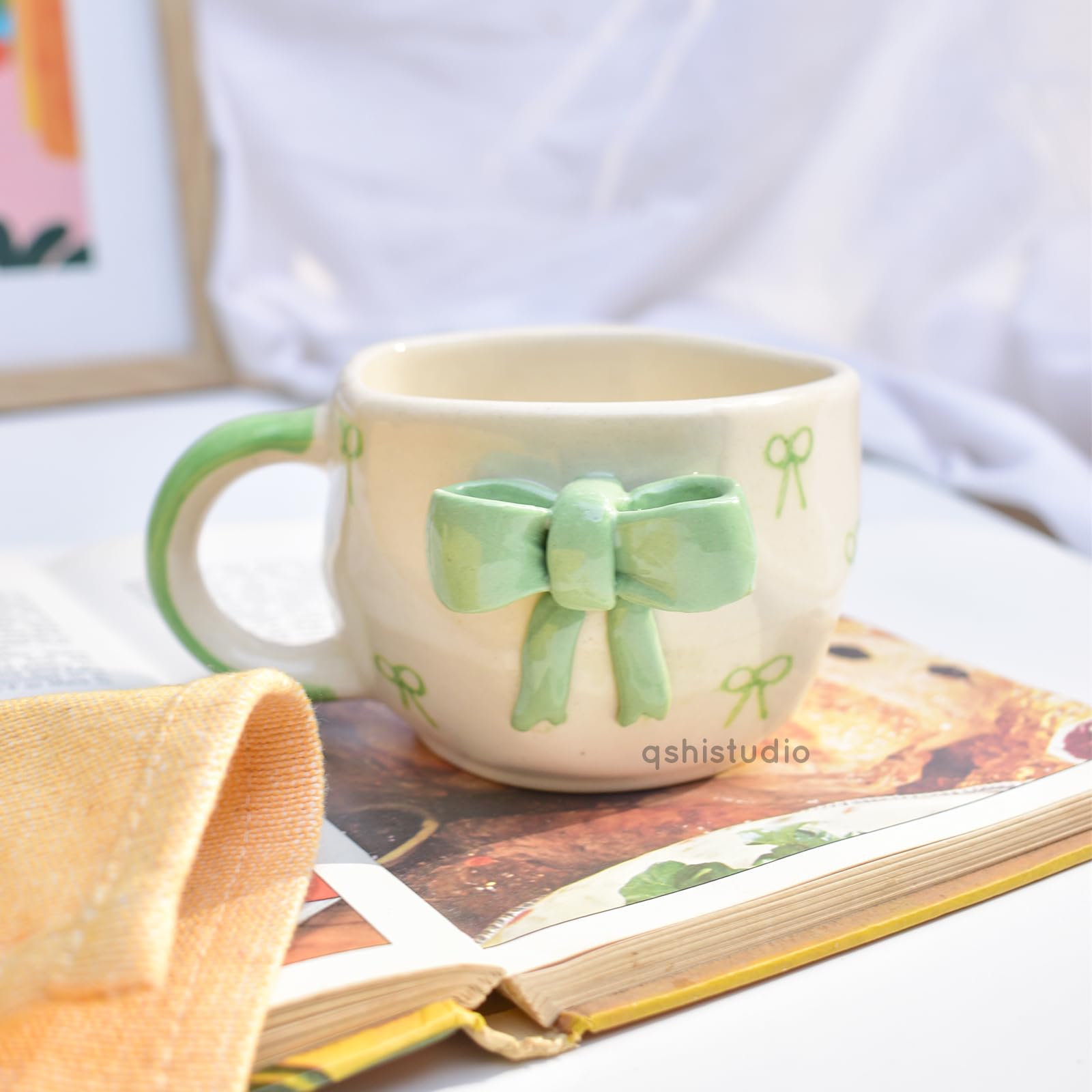
Crafting the perfect pottery mug is both an art and a science, requiring a keen eye for detail, a steady hand, and a deep understanding of the materials involved. As pottery continues to gain popularity, many artisans strive to perfect their technique in creating mugs that are not just functional, but also pieces of art. The process of creating a pottery mug involves several steps, each crucial to achieving the desired balance of form and function. Whether you are a seasoned potter or just starting out, understanding the intricacies of mug crafting can elevate your work to new heights.
Choosing the Right Clay
The foundation of any pottery mug is the clay used. Here are some key considerations for selecting the right clay:
- Type: Stoneware and porcelain are popular choices due to their durability and aesthetic appeal. Explore advanced guides and tips on different clay types here.
- Texture: Consider the texture of the clay. A smoother clay is easier to work with and provides a finer finish.
- Color: The natural color of the clay can influence the final look of the mug. Some clays offer a natural earthy tone, while others can be more vibrant.
Techniques for Shaping
Hand-building vs. Wheel-throwing
Two primary techniques for shaping pottery mugs include hand-building and wheel-throwing. Each technique offers distinct advantages and can influence the final design:
- Hand-building: This method involves manually shaping the clay, allowing for more unique and organic forms. It’s ideal for those looking to create custom shapes and sizes.
- Wheel-throwing: Using a pottery wheel provides a more uniform and symmetrical mug. It”?s perfect for producing multiple mugs with a consistent shape.
Discover expert strategies here to master both techniques.
Glazing and Firing
The glazing and firing process is critical for both the aesthetic and functional qualities of the pottery mug. This step not only adds color and texture but also strengthens the mug.
- Glaze Selection: Choose a glaze that complements the clay body. Transparent glazes can highlight the natural beauty of the clay, while colored glazes offer a more vibrant appearance.
- Application Techniques: Techniques such as dipping, pouring, or brushing can affect the final look of the glaze. Learn about our tailored solutions for glazing here.
- Firing Temperature: The firing temperature must be compatible with both the clay body and the glaze to ensure durability and prevent defects.
Design Elements
Designing a pottery mug involves both the aesthetic aspects and the functional considerations:
- Handle Design: A comfortable handle is essential for usability. Consider both the size and shape of the handle to ensure a comfortable grip.
- Shape and Size: The mug”?s shape should balance aesthetics and practicality. Consider the intended use of the mug, whether for espresso, tea, or larger drinks.
- Surface Decoration: Techniques such as carving, stamping, or adding embellishments can personalize the mug and add artistic flair.
Find out more about this approach here.
Conclusion
Creating the perfect pottery mug combines creativity with technical skill. From selecting the right clay to mastering glazing techniques, each step is integral to crafting a mug that is both beautiful and functional. Pottery enthusiasts can continually learn and refine their craft by exploring resources and expert tips. By understanding the nuances of the process, artisans can produce mugs that stand out in both form and function. Explore advanced guides and tips for crafting exceptional pottery mugs here.
About the Author