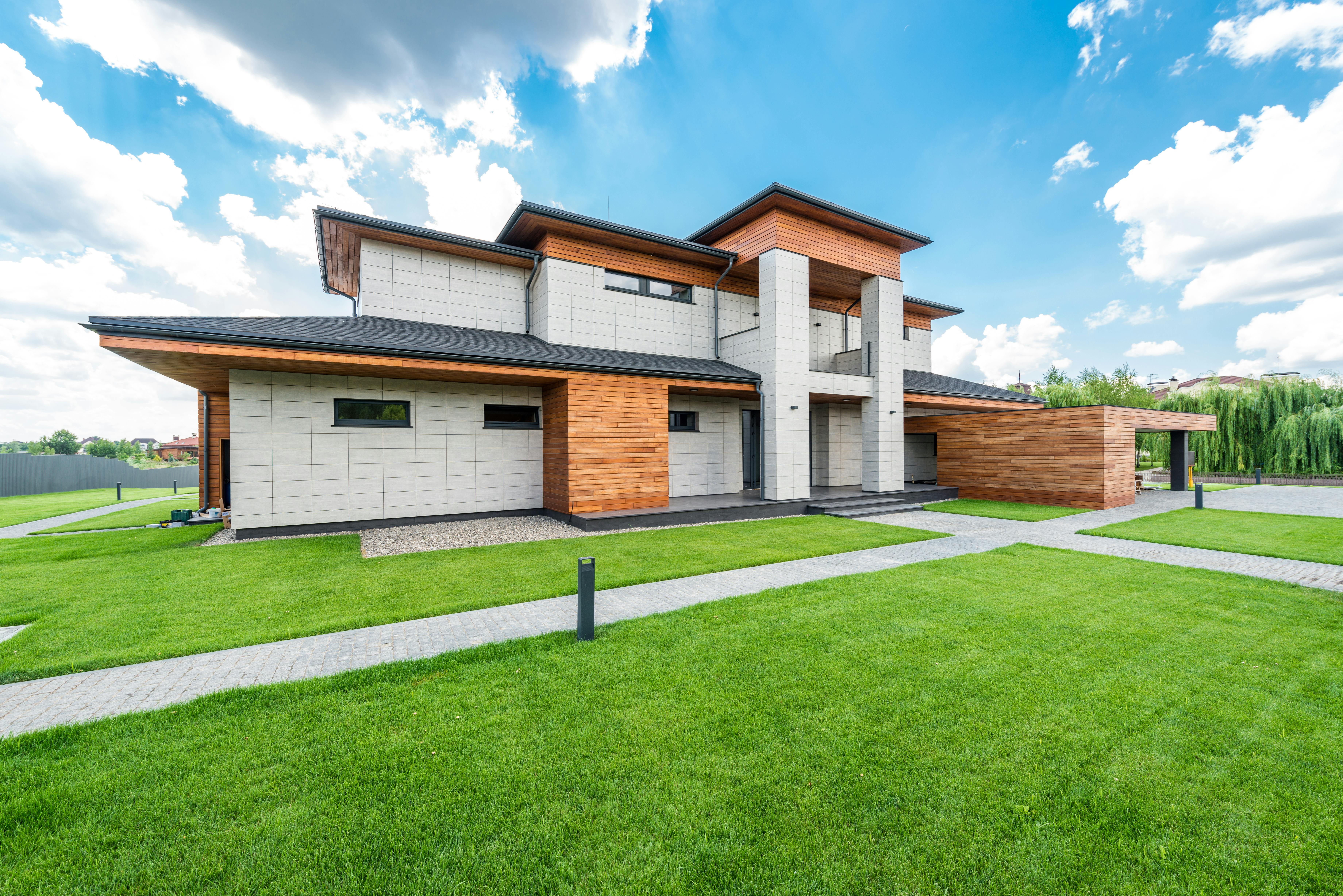
Transforming an architectural idea into a tangible reality is a complex yet fascinating journey. This process involves creativity, precision, and a deep understanding of both the art and science of building design. Architectural design services offer a bridge between abstract concepts and physical structures, ensuring that each design is not only aesthetically pleasing but also functional and sustainable. From conceptualization to execution, these services play a crucial role in shaping environments that meet the client’s vision while adhering to regulatory standards and budget constraints.
Understanding Architectural Design Services
Architectural design services encompass a broad range of activities aimed at creating and refining building designs. These services typically include:
- Concept Development: Initial ideas are transformed into workable designs.
- Feasibility Studies: Assessing site constraints, zoning regulations, and budgetary considerations.
- Schematic Design: Preliminary layouts are created to visualize the project.
- Design Development: Detailed plans and specifications are developed.
- Construction Documentation: Comprehensive instructions for builders to execute the design.
Each of these stages requires a nuanced approach and a deep understanding of engineering principles, environmental factors, and artistic vision. To learn about tailored solutions in architectural design, visit this resource.
The Importance of Collaboration in Design
Collaboration is at the heart of successful architectural design services. Engaging with clients, engineers, and contractors ensures that every aspect of the project aligns with the intended goals. This collaborative effort is crucial in addressing potential challenges and adapting designs to meet evolving needs.
Key Collaborative Practices:
- Regular communication with stakeholders to gather insights and feedback.
- Incorporating input from diverse disciplines to enhance design quality.
- Using advanced technologies, such as Building Information Modeling (BIM), to facilitate seamless coordination.
For a deeper understanding of how collaboration enhances design outcomes, explore advanced guides and tips.
Sustainability in Architectural Design
Modern architectural design services place a strong emphasis on sustainability. This involves creating designs that minimize environmental impact and promote energy efficiency. By integrating sustainable practices, architectural designs contribute to a healthier planet and offer long-term cost savings to clients.
Principles of Sustainable Design:
- Utilization of eco-friendly materials and resources.
- Incorporation of renewable energy solutions, such as solar panels.
- Designing for energy efficiency and reducing waste.
Discover expert strategies for sustainable design here.
Technological Advancements in Design Services
The architectural field is continuously evolving with technological advancements that enhance design capabilities. Technologies such as Virtual Reality (VR) and Augmented Reality (AR) are revolutionizing the way architects visualize and present their ideas.
Impact of Technology in Architecture:
- Improved accuracy and efficiency in design processes.
- Enhanced client engagement through immersive experiences.
- Streamlined project management and coordination.
Find out more about this approach to integrating technology in design services by visiting this resource.
Conclusion
Architectural design services play a pivotal role in transforming ideas into reality. By combining innovative strategies, collaborative efforts, and sustainable practices, these services ensure that each project not only meets but exceeds expectations. As technology continues to advance, the possibilities within architectural design are expanding, offering exciting prospects for future developments. For more information on maximizing the potential of architectural design services, learn more here.
About the Author