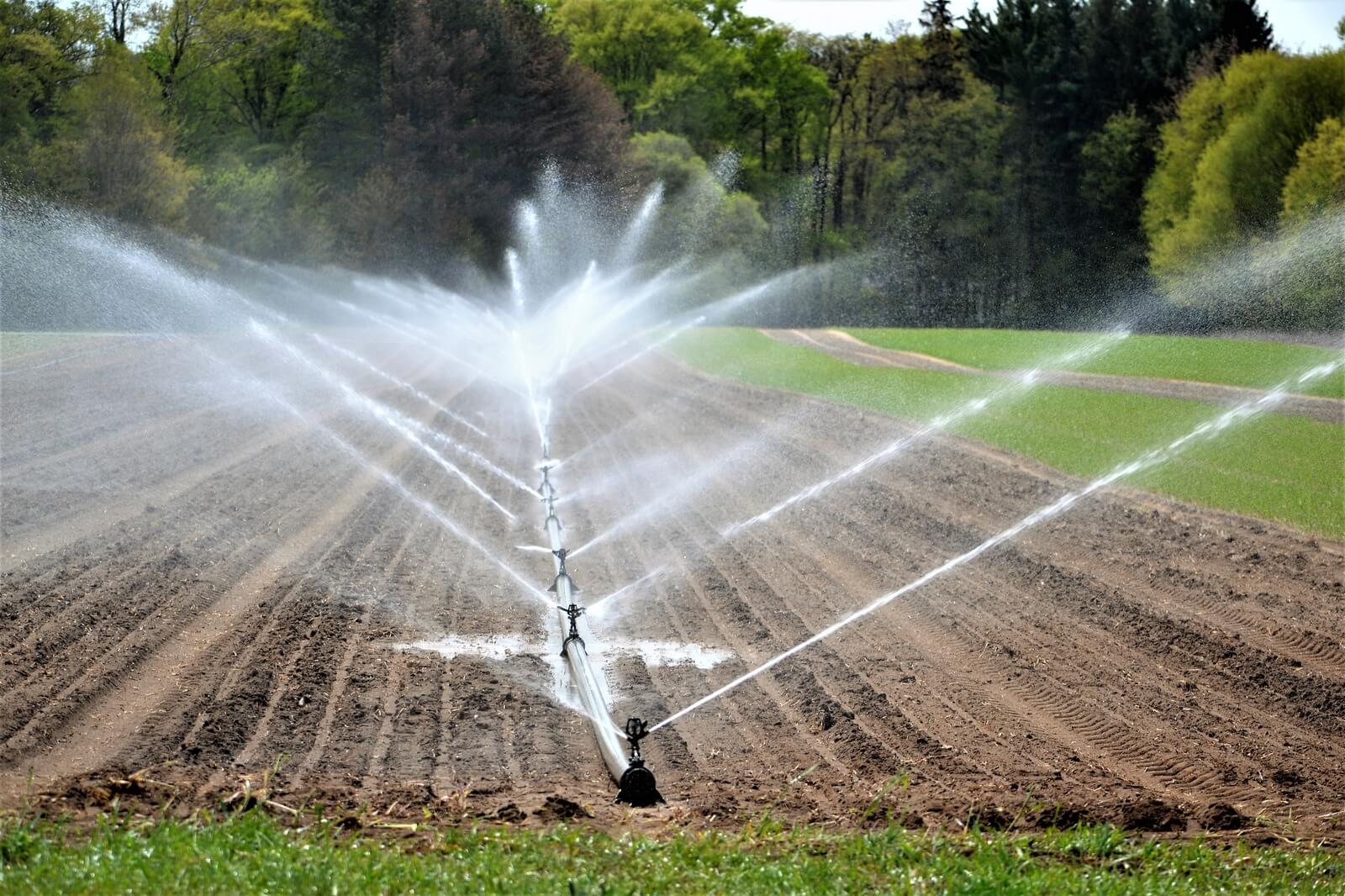
The construction industry has seen a multitude of advancements in technology, and one of the most significant innovations is the integration of smart irrigation systems. These systems offer a modern approach to managing water resources efficiently on construction sites, contributing to sustainability and cost-effectiveness. For project managers and site operators, implementing smart irrigation systems is not only a forward-thinking strategy but also a practical solution to meeting the demands of environmental regulations and ensuring optimal site conditions.
The Importance of Smart Irrigation Systems
Smart irrigation systems have become a critical component for construction sites aiming to optimize water use and enhance environmental compliance. These systems integrate cutting-edge technology with traditional irrigation methods, providing a comprehensive solution that addresses multiple needs:
- Efficient water management
- Reduced wastage and environmental impact
- Automated scheduling for optimal water use
- Data-driven insights for better resource allocation
By incorporating smart irrigation systems into a construction project, site managers can significantly improve their water usage efficiency while minimizing operational costs.
Key Features of Smart Irrigation Systems
The integration of smart technology into irrigation systems has introduced several advanced features that benefit construction sites. Some of these include:
Automated Scheduling
Smart irrigation systems can be programmed to operate on a schedule that aligns with the specific needs of a construction site. This feature ensures that water is only used when necessary, reducing wastage and optimizing resource use. Automated scheduling is particularly beneficial in areas where water resources are limited or regulated.
Weather-Based Adjustments
Modern irrigation services offer weather-based adjustments, where the system automatically adjusts watering schedules based on local climate conditions. This ensures that the site receives adequate watering only when required, preventing over-irrigation and conserving water.
Remote Monitoring and Control
With the advancement of IoT technology, smart irrigation systems allow for remote monitoring and control. This means that site managers can adjust irrigation settings from anywhere, providing flexibility and ensuring that the system is responsive to real-time site conditions.
Benefits of Implementing Smart Irrigation on Construction Sites
The adoption of smart irrigation systems on construction sites presents numerous benefits that go beyond water conservation. These systems can lead to:
- Cost savings through reduced water consumption and utility bills
- Enhanced site conditions, promoting a safer and more productive work environment
- Compliance with environmental regulations and sustainability goals
- Improved project timelines due to minimized water-related disruptions
For those seeking construction irrigation solutions, smart irrigation systems represent a strategic investment that aligns with both economic and environmental objectives.
Choosing the Right System for Your Site
Selecting an appropriate smart irrigation system involves evaluating the specific needs of the construction site, including size, location, and water requirements. Engaging with professionals who specialize in irrigation system installation can provide valuable insights and ensure that the chosen system meets all functional requirements and regulatory standards.
In conclusion, upgrading a construction site with a smart irrigation system is a forward-thinking approach that not only enhances operational efficiency but also supports sustainability initiatives. By leveraging advanced technology, construction sites can achieve significant water savings, reduce costs, and maintain compliance with environmental standards. The integration of smart irrigation systems is a testament to the evolving landscape of construction practices, where innovation and sustainability go hand in hand.
About the Author